Sep 2, 2026
25 Questions Buyers Ask a Pickleball Equipment Manufacturer
Practical answers to 25 common questions about pickleball balls, paddles, OEM orders, quality testing, samples, certification, shipping and club equipment.
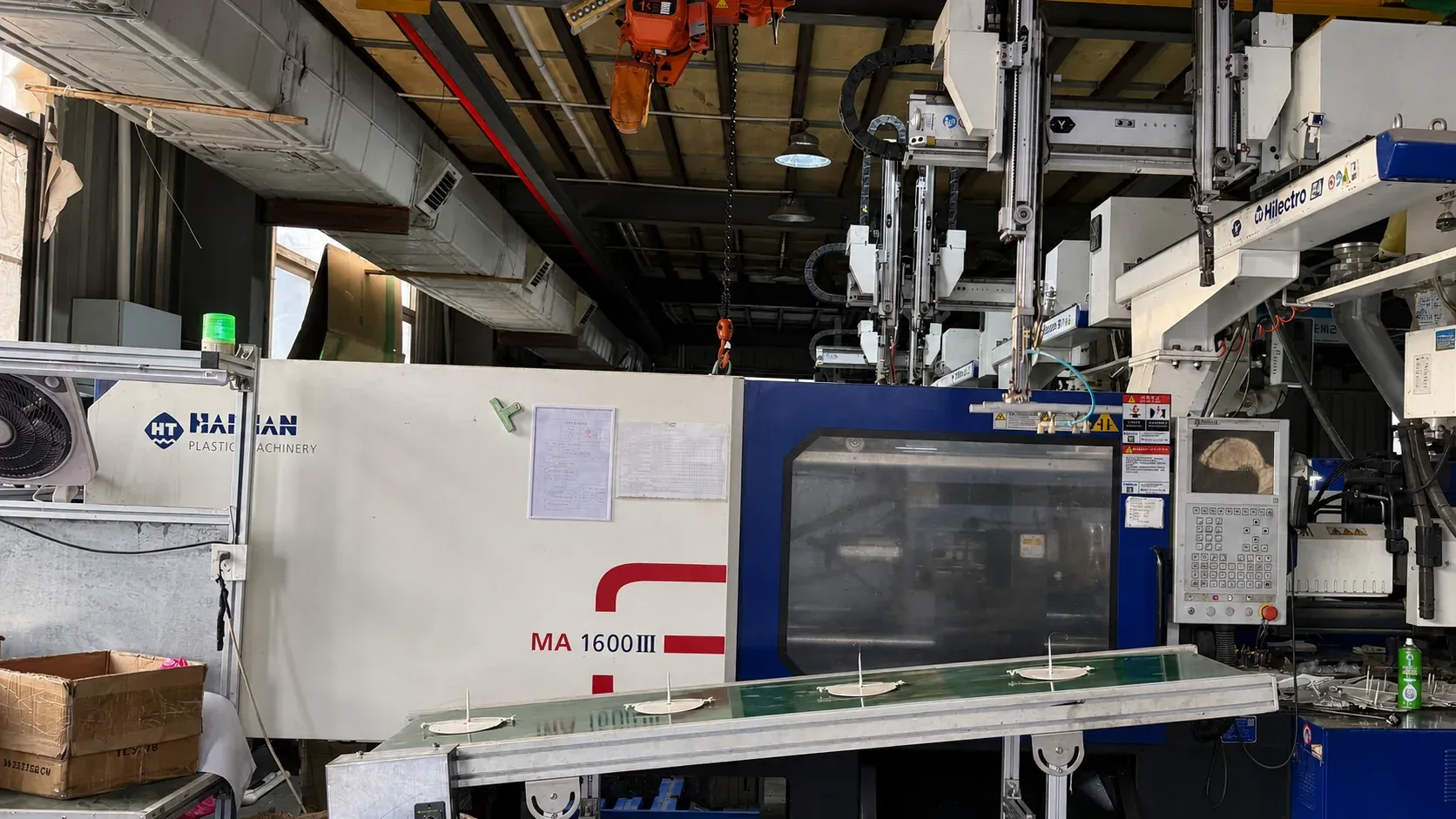
Buying pickleball equipment for a club, distribution business, private-label brand or training program is different from buying one paddle or one pack of balls for personal use. Buyers need to understand product consistency, replacement cost, testing, production lead time and what happens when a sample moves into bulk production.
SYNLY is a developing pickleball manufacturing business backed by more than 30 years of injection-molding experience. We publish what we are testing, what is still under development and what buyers should verify before placing an order. The answers below are designed as a practical starting point rather than a sales promise.
Factory, OEM and supplier questions
1. How can I verify that a pickleball supplier is a real factory?
Ask for recent workshop photos or video, the legal company name, production equipment, mold capability, quality-control records and a live video inspection. A factory should be able to explain which operations are completed in-house and which components are sourced from specialist partners. Buyers can also compare the factory address and legal entity information across invoices, company documents and public profiles.
2. What is the difference between OEM, ODM and private-label pickleball products?
Private label normally uses an existing product with the buyer's logo, colors or packaging. OEM production follows the buyer's specifications, while ODM may include product design, material selection, prototyping and manufacturing support. The correct model depends on budget, development time, testing requirements and whether the buyer needs an exclusive design.
3. Can a pickleball manufacturer accept a small trial order?
Trial quantities depend on the product and customization. Existing ball, paddle or accessory designs can usually support smaller tests than a completely new mold or material formula. Buyers should separate the sample stage, pilot order and mass-production quantity instead of expecting one MOQ to apply to every stage.
4. What should I test before approving a manufacturer sample?
Do not test only one perfect sample. Compare several units for dimensions, weight, finish, bounce or balance, then record court surface, temperature, player level and hours of use. A useful sample report should also document cracking, deformation, delamination, edge-guard movement and variation between units.
5. How can buyers check consistency between samples and bulk production?
Approve measurable tolerances rather than relying only on appearance. The purchase specification should define materials, weight range, dimensions, color, printing position, packaging and the inspection method. Buyers can request pre-production samples, in-process records and random finished-goods inspection before shipment.
6. What determines the wholesale price of a pickleball product?
Price is affected by material grade, construction, mold and tooling requirements, customization, packaging, testing, order volume and inspection level. The lowest unit price may create higher replacement and complaint costs if batch consistency is poor. Clubs and distributors should compare total usable life and defect risk, not only the quotation per piece.
7. How long does a custom pickleball project take?
An existing product with a logo and standard packaging is faster than a new material formula, mold or paddle structure. A realistic schedule separates artwork approval, sample production, testing, revisions, bulk production and shipping. Development products should not be advertised as production-ready until the required tests are completed.
8. What factory documents should an international buyer request?
Request the legal company information, quotation and specification sheet, approved sample record, inspection criteria, packaging details and shipping documents relevant to the order. Certification must be checked at product and model level; a general company certificate does not automatically approve every ball or paddle.
9. Can one supplier arrange pickleball equipment that it does not manufacture?
Yes, but the supplier should disclose what is made in-house and what is purchased from qualified partner factories. Consolidated sourcing can simplify inspection, packaging and export, but it should never be presented as in-house production when it is not. SYNLY uses this distinction on its website and keeps manufacturing claims limited to verified capabilities.
10. How should overseas buyers compare shipping options from China?
The suitable method depends on shipment weight, volume, urgency, destination customs rules and whether the buyer needs door-to-door service. Samples often move by international express, while larger orders may use air or sea freight. Buyers should compare total landed cost, document requirements and delivery risk rather than freight price alone.
Pickleball ball questions
11. Why do some pickleballs crack earlier than expected?
Cracking can be influenced by polymer balance, molding consistency, wall thickness, hole-edge quality, temperature and repeated impact. A harder ball is not automatically more durable. Testing should include multiple balls from the same batch and should record the conditions in which failure occurs.
12. Why do pickleballs go out of round or produce an inconsistent bounce?
Possible causes include uneven wall thickness, residual molding stress, heat softening, material recovery and repeated high-energy impacts. A ball can remain uncracked but still become unsuitable if it develops wobble, flat areas or an unpredictable rebound. Roundness and bounce consistency should therefore be tested separately from cracking.
13. How does hot or cold weather affect a pickleball?
Cold conditions can make some polymers less flexible and more likely to crack. High court temperatures may soften a ball, change speed or allow it to deform. Buyers in tropical or cold markets should test products under local conditions rather than relying only on room-temperature data.
14. What is the difference between 26-hole, 40-hole and 48-hole pickleballs?
Hole count is only one part of the design. Hole size and distribution, wall construction, material, weight and manufacturing process all influence flight and bounce. Buyers should select a ball by intended use and measured performance rather than assuming that a larger hole count is automatically better.
15. Is a 48-hole pickleball suitable for clubs and competition?
A 48-hole design can offer useful flight and durability characteristics, but buyers must verify bounce, speed, roundness, temperature response and player acceptance. SYNLY's 48-hole product is a development project and is being evaluated for elasticity and repeated-impact durability. Official competition use depends on the applicable rules and product approval, not hole count alone.
16. How should a club test pickleball bounce consistency?
Use several balls, the same test height and the same surface, then record the rebound rather than judging by feel alone. Repeat the test before and after court use and at relevant temperatures. The goal is to measure variation between balls as well as change over time.
17. Does a matte surface provide more control than a smooth pickleball?
A higher surface coefficient of friction may change contact with the paddle, but playability cannot be predicted from appearance alone. Use can also change the surface of both matte and smooth balls. Bounce, speed, roundness and consistency remain more important than a visual finish claim.
18. Can a harder pickleball wear a paddle surface faster?
Ball hardness, surface condition, paddle face material, grit system, impact speed and hours of play may all affect wear. A durable ball can still create a different wear pattern on a paddle. Buyers should test the ball and paddle as a system instead of evaluating each product in isolation.
19. Does pickleball color affect visibility and play?
Color affects contrast against the court, walls, lighting and background. The best color can differ between indoor and outdoor venues. For clubs and events, visibility should be evaluated with actual players under the venue's lighting before a large color order is approved.
20. How should clubs compare the real cost of different pickleballs?
Compare cost per playable hour or session, not only cost per ball. Include cracking, deformation, softness, inconsistent bounce, player rejection and replacement labor. A more expensive ball may be economical if it remains consistent longer, but durability claims should be verified under the club's own conditions.
Pickleball paddle and equipment questions
21. Carbon fiber or fiberglass: which paddle material is better for a buyer's product line?
Carbon-fiber and fiberglass faces can support different feel, power, control, price and positioning. Material labels alone are not enough because core structure, face bonding, thickness, layup and manufacturing control also matter. Brands should approve complete paddle specifications and test several units before choosing a market position.
22. What is the practical difference between 14 mm and 16 mm pickleball paddles?
Thickness can influence feel, stability, control and power, but it must be considered together with core density, shape, weight and balance. A 16 mm paddle is not automatically higher quality, and a 14 mm paddle is not automatically more powerful. The correct choice depends on the intended player and product specification.
23. Thermoformed, cold-pressed or another construction: what should a buyer compare?
Compare face bonding, edge construction, core consistency, weight tolerance, durability and the intended playing characteristics. Construction terms are useful only when supported by a clear process and repeatable quality control. Buyers should request cutaway samples or process explanations when a structural claim affects price.
24. What quality checks should be completed before a bulk paddle order ships?
Inspect weight and balance tolerances, dimensions, surface finish, face bonding, core condition, edge-guard retention, handle and grip quality, printing and packaging. Random units should be compared with the approved sample. A single visually perfect paddle does not prove batch consistency.
25. Does a pickleball paddle or ball need USA Pickleball approval?
Approval is product- and model-specific. Buyers planning sanctioned competition products should check the current equipment standards and the official approved-equipment lists, then confirm the exact model rather than relying on a general supplier statement. SYNLY will describe products as approved only after the relevant model completes the required process.
A practical next step for buyers
Before requesting a quotation, prepare the intended market, product type, target quantity, required customization, performance priorities and destination country. SYNLY can then separate existing-product options from development work and explain which operations are completed in-house or through qualified sourcing partners.
For sample and project discussions:
- Email: parry@synlypickleball.com
- WhatsApp: +86 150 6754 0770
- Website: https://synlypickleball.com/contact-us