Sep 2, 2026Manufacturing Process
Pickleball Paddle Sample Approval Checklist for OEM Buyers
Use this OEM pickleball paddle sample approval checklist to confirm appearance, dimensions, weight, playability, durability, packaging and change control.
Pickleball Paddle Sample Approval Checklist for OEM Buyers
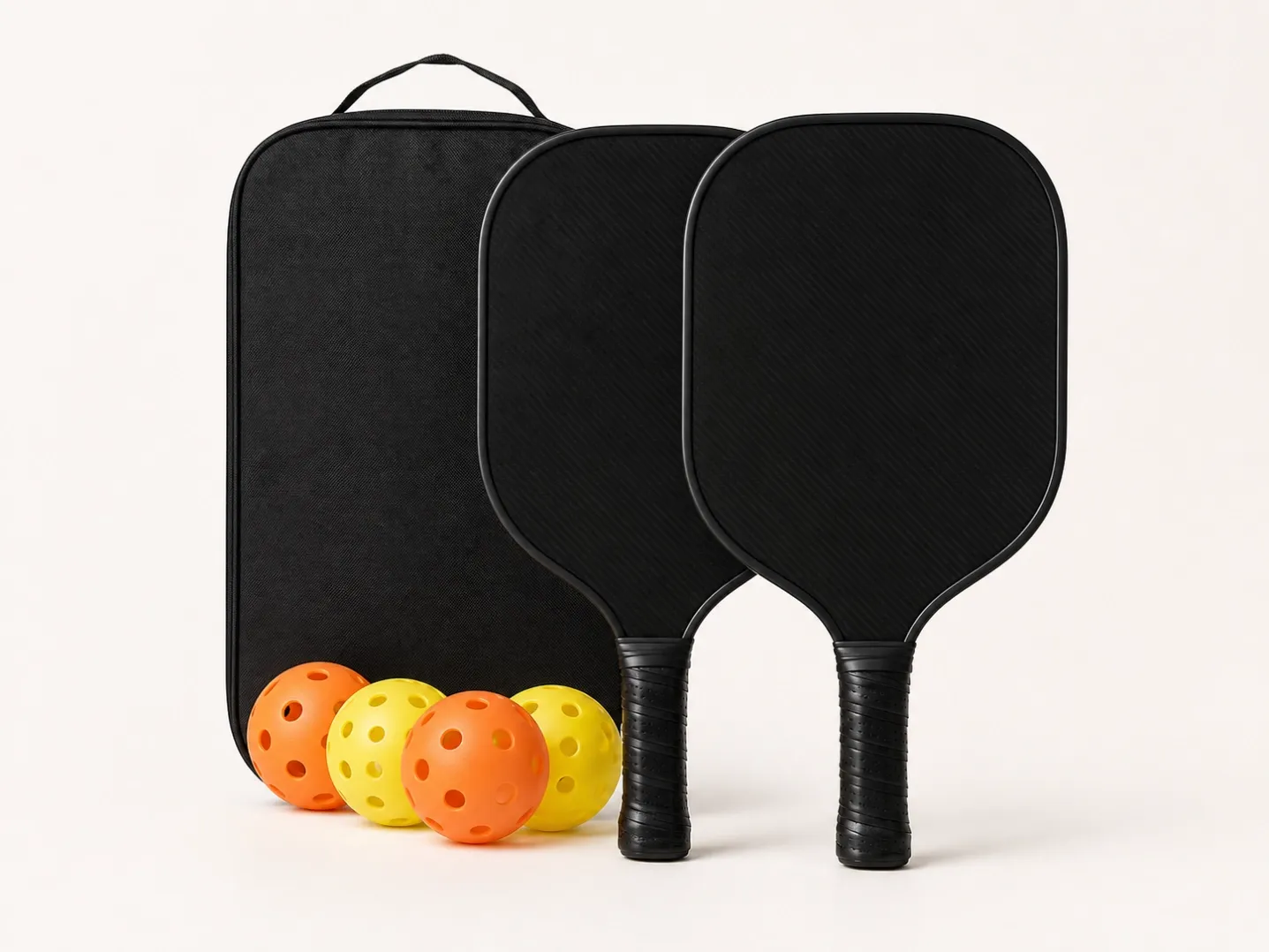
Approving a custom pickleball paddle sample is more than saying that the graphics look good or that the paddle feels acceptable during a short rally. The approved sample becomes the practical reference for purchasing, production and inspection. If the decision is based on memory, informal messages or a single visual check, the factory and buyer may interpret “same as the sample” differently when mass production begins.
A useful approval process converts the buyer's expectations into measurable requirements. It identifies what is approved, what remains conditional, which test method applies and which changes require new approval. This is especially important when a paddle combines multiple components, including the face material, core, edge guard, handle, grip, artwork, protective film and retail packaging.
Quick answer: what should an OEM buyer approve on a pickleball paddle sample?
Before mass production, an OEM buyer should confirm the paddle's artwork and finish, overall dimensions, thickness, finished weight and balance range, face and core specification, edge-guard fit, handle and grip construction, playability, agreed durability checks, packaging and labeling. The approval record should identify the physical sample or revision, list the acceptance criteria and require written approval for any material, component, artwork or process change.
The exact tolerances and test methods should be agreed for the specific model. A supplier should not assume that one standard applies to every paddle construction, target market or order.
1. Lock the sample identity before evaluating it
The first step is to make sure everyone is discussing the same sample. Assign a sample number, model name or revision code. Record when it was produced and which specification sheet, artwork file and packaging file were used.
At minimum, the sample record should include:
- model or project name;
- sample number and revision;
- face material and surface finish;
- core material and nominal thickness;
- paddle shape and key dimensions;
- edge-guard type or edgeless construction;
- handle length, circumference and grip specification;
- artwork file name and revision;
- target finished-weight range;
- packaging version; and
- any deviation that has not yet been accepted.
Photograph the front, back, edge, handle, butt cap and packaging. The photographs do not replace the physical sample, but they make later discussions easier and reduce the risk of approving the wrong revision.
2. Check appearance against controlled artwork
Visual approval should use the latest controlled artwork rather than a screenshot from an old message. Compare both sides of the paddle under consistent lighting and review the entire assembly, not only the center graphic.
Check:
- logo position, size and orientation;
- color against an agreed reference or approved physical standard;
- print sharpness and registration;
- surface texture and gloss level;
- exposed adhesive, bubbles, scratches or contamination;
- edge-guard color, joint position and fit;
- grip color, overlap and finishing;
- butt-cap logo or label; and
- protective film, barcode and regulatory or market labels, when applicable.
Color can change between screens, printing methods and materials. If color is commercially important, define how it will be judged. A named digital color alone may not be enough; an approved physical sample or agreed tolerance can provide a clearer reference.
3. Measure dimensions, thickness, weight and balance
A paddle can look correct and still differ in ways that affect packaging, player perception and consistency. Record measurements with the method and equipment used so that the result can be reproduced.
Typical checks include:
- overall length and width;
- total thickness;
- handle length and grip circumference;
- finished weight;
- balance point or swing-related requirement, if specified;
- edge-guard coverage and joint condition; and
- flatness or visible warpage.
Do not approve only one exact number when production will be controlled to a range. Define the acceptable range, how many samples will be checked and what happens when a result is close to a limit. The finished weight should include every component that will be present in the delivered paddle.
If the project uses an edge guard, review its influence on dimensions, appearance and weight together. The custom pickleball paddle edge guard guide explains the decisions that should be made before bulk production.
4. Confirm construction and bill of materials
Some critical paddle differences are not visible after assembly. The approval package should therefore include a written bill of materials or specification summary that identifies the approved construction.
Depending on the model, this can cover:
- face material and grade;
- surface treatment or texture process;
- core material, cell structure and thickness;
- bonding process or approved adhesive system;
- perimeter treatment;
- handle reinforcement and grip build;
- edge guard and butt-cap components; and
- protective and packaging materials.
The level of detail should be appropriate for the project and the supplier relationship. The goal is not to disclose unnecessary proprietary process information. It is to prevent an unapproved substitution from changing the commercial product.
5. Evaluate playability with a repeatable method
A few minutes of casual play can reveal an obvious problem, but it is not a repeatable approval method. Define who evaluates the sample, the comparison paddle or baseline, the ball type, the test environment and the characteristics being judged.
The buyer may evaluate:
- feel on centered and off-center contact;
- perceived power and control;
- vibration and comfort;
- grip comfort and handle stability;
- sound, where relevant to the intended market;
- surface response; and
- consistency among multiple samples.
Subjective feedback is useful when it is structured. Instead of “the paddle feels wrong,” record what was observed, under which conditions and how it differed from the approved target. If performance claims will be used in marketing, confirm that the supporting test method and evidence are appropriate before publishing them.
6. Agree on durability and workmanship checks
Sample approval should include the tests that matter for the construction and intended use. The appropriate program can vary by product, market and buyer requirement, so the supplier and buyer should agree on methods, sample quantities and acceptance criteria in writing.
Possible checks include:
- repeated impact or play testing;
- edge-guard retention;
- face-to-core bonding and delamination review;
- grip and handle stability;
- surface wear;
- temperature or humidity conditioning when relevant;
- drop, vibration or transport-related packaging checks; and
- visual workmanship inspection after testing.
Passing a development check does not justify an unlimited performance claim. Record the exact condition and result. When a design, material or process changes, decide whether the affected test must be repeated.
7. Approve packaging with the paddle, not separately
Packaging should be evaluated using the finished paddle because the two interact. A box or bag may fit a drawing but still rub the face, compress the edge guard or allow movement in transit.
Confirm:
- unit packaging type and dimensions;
- protective sleeve, film or insert;
- printed copy, artwork and barcode;
- included accessories and documents;
- quantity per inner and master carton;
- carton marks;
- packing orientation; and
- agreed transport or drop checks.
Use the OEM pickleball packaging checklist to connect sample approval with the final packing specification.
8. Create a clear approval decision
An approval message should state one of three outcomes:
- Approved: the identified sample and supporting files are accepted for production.
- Approved with conditions: production may proceed only after listed items are corrected and verified in the agreed way.
- Not approved: a revised sample or additional evidence is required before production.
Avoid approving with a vague phrase such as “looks fine” while several items remain open. List every condition, the responsible party and the required evidence. If a new sample is not necessary, specify whether updated photographs, measurements, test results or packaging proofs are sufficient.
The final approval record should be available to purchasing, sales, engineering, production and quality teams. It should also define the inspection basis for mass production.
9. Set change-control rules before mass production
A golden sample is useful only when changes are controlled. Require written notice before changing a material, component, approved supplier, color, artwork, key dimension, production method or packaging structure that could affect the finished product.
For each proposed change, decide whether the buyer needs:
- a written explanation;
- a revised specification;
- photographs or measurements;
- a new component sample;
- a complete new paddle sample; or
- repeated performance or durability testing.
This protects both parties. The buyer can evaluate commercial risk, and the factory has a clear record of what may proceed.
A practical golden-sample approval record
The following structure can be adapted to a purchase specification:
Approval item | Required record |
|---|---|
Sample identity | Model, sample number, revision and date |
Artwork | Controlled file name and approved color reference |
Construction | Face, core, thickness, edge and handle specification |
Measurements | Method, result and accepted production range |
Playability | Evaluators, conditions, baseline and observations |
Durability | Agreed method, quantity, criteria and result |
Packaging | Approved files, materials, configuration and carton marks |
Open items | Owner, deadline and required evidence |
Change control | Changes that require written notice or reapproval |
Final decision | Approved, conditional or rejected, with date and approver |
Before selecting a supplier, buyers can also review the questions to ask a pickleball equipment manufacturer.
Frequently asked questions
What is a golden sample for a pickleball paddle?
A golden sample is the identified physical sample and supporting specification approved as the reference for mass production and inspection. It should have a sample or revision number and should be linked to controlled artwork, construction, measurement and packaging records.
Is one paddle sample enough for approval?
One sample may confirm appearance, but it may not show normal production variation. The appropriate sample quantity depends on the model, risk, order and test plan. Buyers and suppliers should agree on how many units are needed for measurements, play evaluation and destructive or durability checks.
Should buyers approve an exact weight or a weight range?
Mass production is normally controlled to an agreed range rather than one exact value. The range, weighing method, included components and sampling plan should be written into the specification for the specific paddle.
Can photographs replace a physical approval sample?
Photographs can verify selected visual corrections, but they cannot fully confirm weight, balance, feel, dimensions or construction. The parties should decide which changes can be closed with photographs and which require a new physical sample.
What happens if the factory changes a material after approval?
The supplier should notify the buyer before an affected change is implemented. The buyer can then request updated specifications, measurements, a new sample or repeated tests depending on the risk. The approval record should define this change-control process.
Does golden-sample approval replace production inspection?
No. The golden sample and written specification provide references for production control and inspection. Buyers should still define the production sampling plan, acceptance criteria and required records for the order.
Request a Paddle Sample Review
Review SYNLY pickleball paddle options, then send the target market, paddle construction, dimensions, weight range, artwork, packaging and planned quantity. SYNLY can review the brief and discuss a suitable sampling and approval path. Available materials, tolerances, testing, pricing, lead time and production schedule must be confirmed for the exact model before an order is placed.
- Email: parry@synlypickleball.com
- WhatsApp: +86 150 6754 0770