Pickleball Weight Inspection: An OEM Buyer's Guide to Batch Consistency
Learn how to inspect pickleball weight across samples and production batches, define acceptance ranges and connect results with OEM traceability.
Pickleball weight inspection is simple to describe but easy to use badly. A factory can place one ball on a scale and show an acceptable number, yet that single result says very little about variation across mold cavities, production time, colors, cartons or future reorders.
For an OEM buyer, the useful question is not only “What does this ball weigh?” It is “Does the agreed model remain inside the approved range when several production-representative balls are measured with the same method?”
This guide explains how buyers and suppliers can turn weight into a repeatable inspection record rather than an isolated photograph.
Quick answer: how should pickleball weight be inspected?
Condition and clean the samples, verify the scale, identify every ball, weigh each ball individually, sample across the production batch, record every result rather than only the average, compare the data with the approved specification and connect the record to the batch code and retained sample.
If the product is intended for sanctioned competition, the buyer should also check the current governing-body standard and approved-equipment process for the exact model. Factory inspection supports process control, but it is not the same as independent product approval.
What is the official pickleball weight range?
The USA Pickleball Equipment Standards Manual states that a ball submitted under its standard must weigh between 0.78 and 0.935 ounces, or 22.1 and 26.5 grams. The manual and approval process should be checked in their current form before a model is submitted or described for sanctioned play.
That broad published range is not automatically the best production target for every commercial project. An OEM buyer may approve a narrower internal range around a specific sample to improve consistency. The correct target depends on the ball model, construction, intended use and applicable approval requirements.
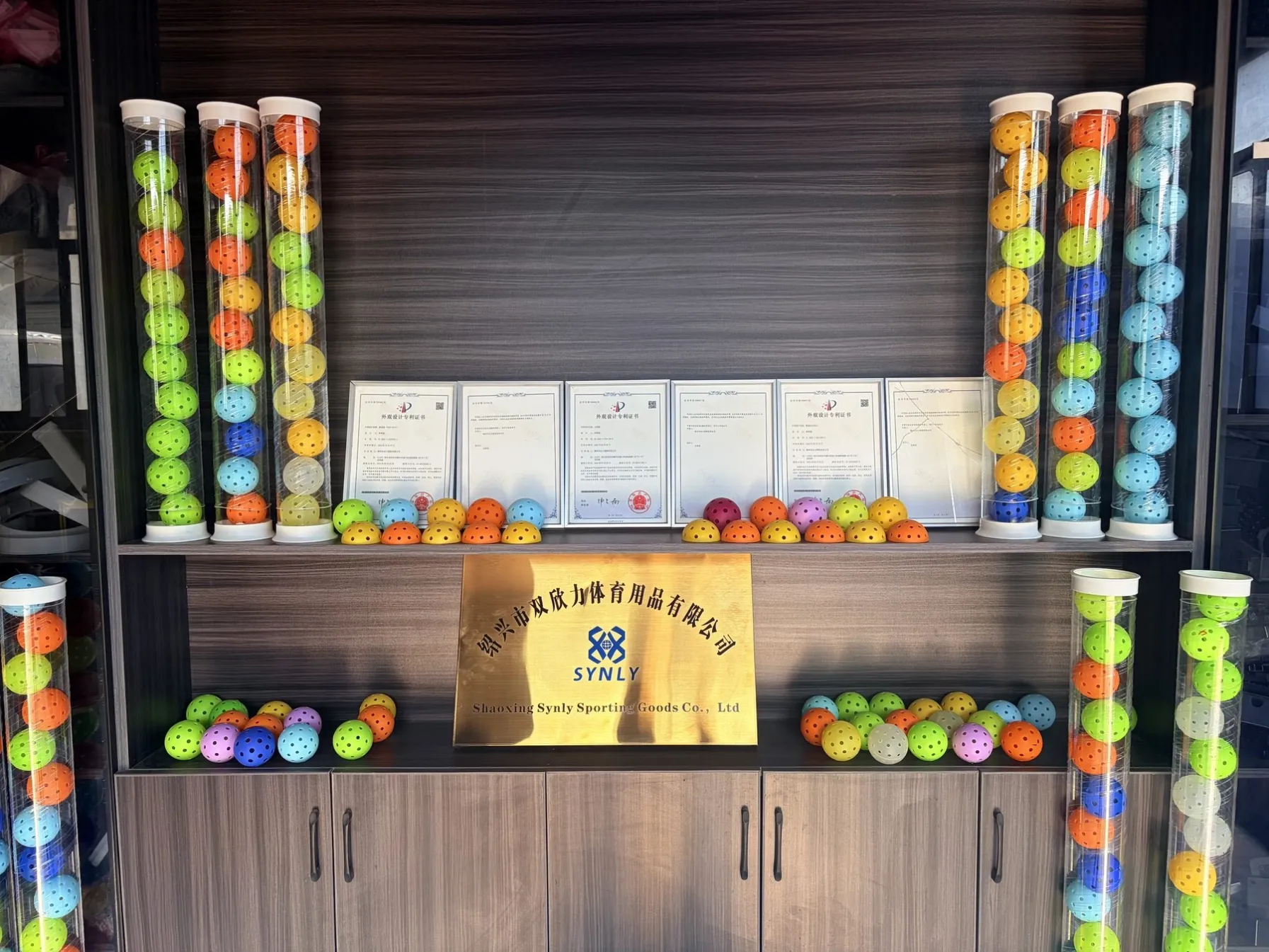
SYNLY’s 48-hole pickleball is available for bulk production and all colors can be customized, but it is not currently represented as USA Pickleball approved. Its final target weight, color, logo, packaging and inspection range must be confirmed for the project and approved sample.
Why does ball weight matter to an OEM buyer?
Weight is one part of the product definition. It interacts with dimensions, wall distribution, hole geometry, material formulation and construction.
Unexpected variation can signal questions such as:
- whether the correct material or formulation was used;
- whether trimming, hole finishing or surface residue changed the finished product;
- whether different mold cavities or process windows are producing different results;
- whether the approved sample and bulk batch use the same specification;
- whether a color or additive change affected the finished ball; and
- whether packing records have mixed two models.
A weight result cannot identify the cause by itself. It is a screening and consistency measure that becomes more useful when paired with diameter, roundness, visual inspection, bounce comparison and batch traceability.
Which scale and method should be used?
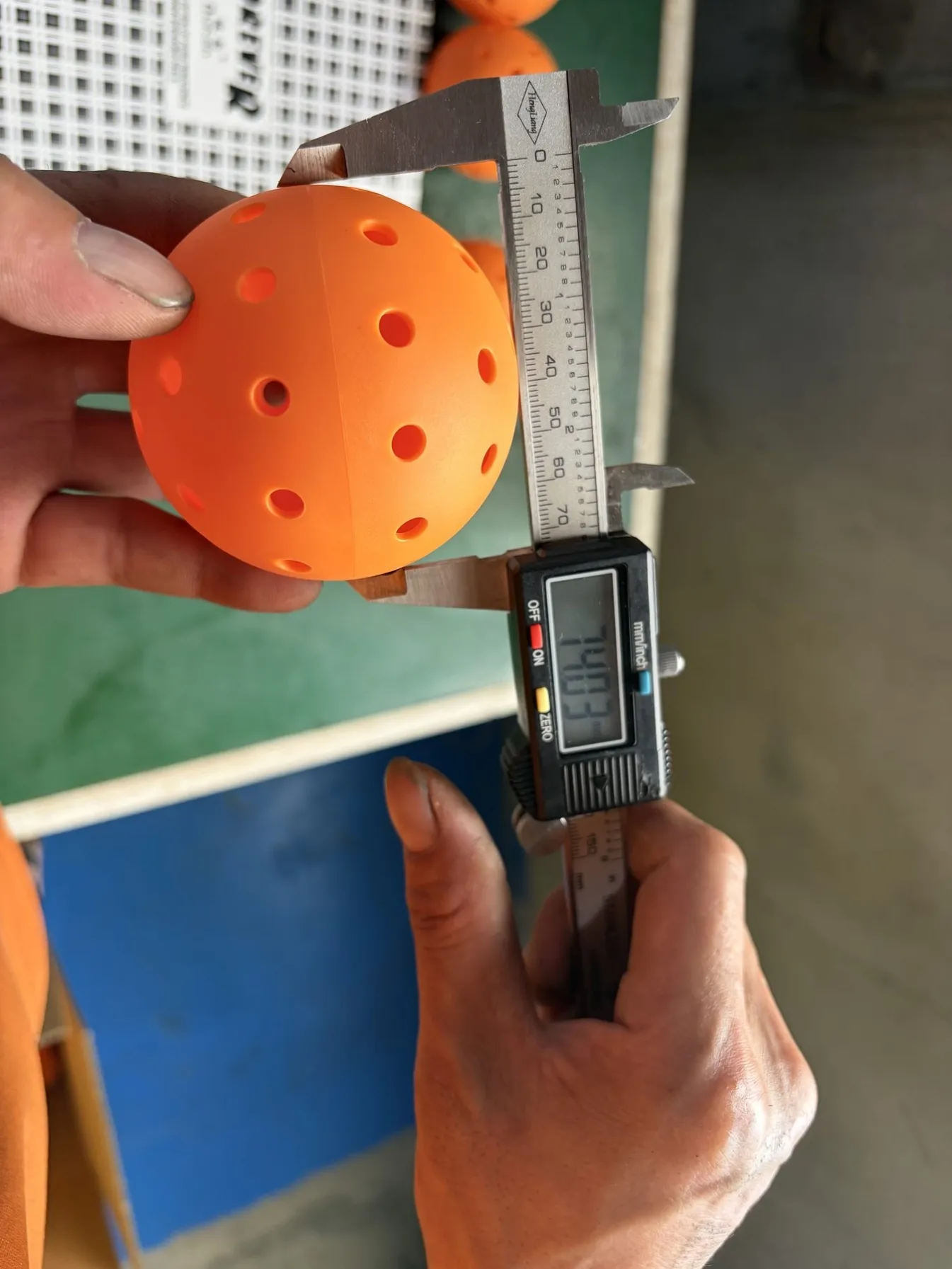
The written inspection plan should identify the scale, its resolution, verification method and test conditions. Buyers do not need unnecessary laboratory language, but they do need enough detail to reproduce the check.
Record:
- scale identification or equipment number;
- displayed resolution;
- verification or calibration status;
- test date and inspector;
- sample conditioning environment when relevant;
- whether the ball was clean and dry;
- unit of measurement;
- batch, cavity or production reference when available; and
- the individual result for every sampled ball.
Place the scale on a stable, level surface away from vibration and airflow. Confirm that the reading returns to zero. If a tray or holder is used to keep the ball from rolling, tare it before every measurement sequence.
Why should every ball be weighed individually?
An average can hide variation. Five balls weighing 23, 23, 23, 23 and 28 grams have an average of 24 grams, but the last ball clearly needs investigation. Reporting only the average would conceal the most important result.
A practical record should show:
- each individual weight;
- minimum and maximum;
- average;
- range or spread;
- count outside the agreed limit; and
- the decision or follow-up for any outlier.
The acceptance rule should be agreed before inspection. Do not invent a new tolerance after seeing the data.
How should samples be selected across a production batch?
Do not take every inspection ball from the top of one carton. The sampling plan should reflect where meaningful variation could appear.
Depending on the order and production arrangement, samples may be selected across:
- the beginning, middle and end of a production run;
- different mold cavities or machines when applicable;
- different colors or material lots;
- several inner packs and master cartons; and
- different shifts or production dates.
The sample quantity and acceptance plan should be agreed according to order size, product risk and buyer requirements. This article does not prescribe one universal sampling level for every order.
What does an out-of-range result mean?
First, recheck the scale, tare and sample identity. Then repeat the measurement using the agreed method. If the result remains outside the limit, separate the affected sample and review related measurements and process records.
Useful follow-up questions include:
- Is the diameter or roundness also different?
- Does the ball belong to a specific cavity, color, material lot or time period?
- Is there residue, incomplete trimming or visible damage?
- Was the same construction used as the approved sample?
- Do nearby samples show a trend or only one isolated result?
- Should the affected batch be held for a broader inspection?
An outlier is evidence to investigate, not permission to guess the cause.
How should weight data connect with the approved sample?
The approved sample should have an identity: model, revision, color, date and specification reference. Its weight can be recorded, but one approved ball should not be treated as the only possible acceptable value.
The production specification should state a target or range, the measurement method and the sample plan. If the material, structure, hole pattern or color formulation changes, decide whether a new weight baseline or sample approval is required.
For repeat orders, keep the batch record with the approved sample, artwork version, color reference, packing configuration and retained sample. This makes a future comparison more reliable than memory or a chat message.
Weight inspection does not replace performance testing
Two balls can have the same weight and still differ in roundness, wall distribution, bounce, hardness, flight or durability. Weight is therefore one checkpoint in a broader quality plan.
A useful OEM approval plan can combine:
- appearance and hole-edge inspection;
- diameter and out-of-round checks;
- individual weight records;
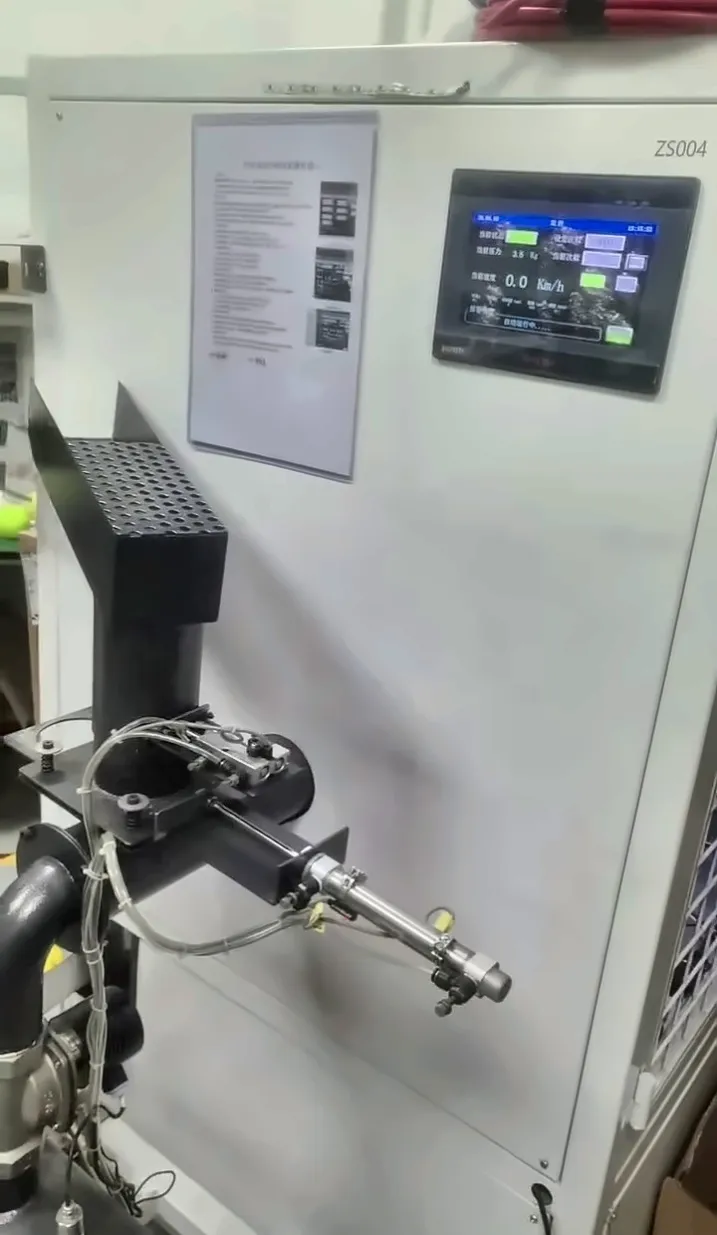
- comparative bounce checks using a controlled method;
- repeated play or impact evaluation;
- color and logo approval;
- packaging and pack-count confirmation; and
- traceability to the production batch.
If formal governing-body approval is required, follow the current official submission and laboratory process for the exact model.
Frequently Asked Questions
What is the official weight of a pickleball?
USA Pickleball’s published equipment standard states 0.78 to 0.935 ounces, or 22.1 to 26.5 grams, for balls evaluated under that standard. Always confirm the current manual and exact approval requirement.
Is one weighed sample enough?
No. One sample confirms only that one result. A batch-consistency check should use several production-representative balls selected across relevant parts of the order.
Should a factory report only the average weight?
No. The report should include individual results, minimum, maximum, average, spread and every sample outside the agreed range.
Can two balls with the same weight play differently?
Yes. Dimensions, roundness, wall distribution, material, hole geometry, hardness and construction can still differ. Weight must be interpreted with other inspection and performance checks.
Does meeting the published weight range make a ball tournament approved?
No. Approval is model-specific and involves the current complete standard and official process. A weight result alone does not create approval.
Can SYNLY define a custom weight range for an OEM order?
SYNLY can discuss a project-specific target and inspection plan based on the product structure, intended use, approved sample and buyer requirements. Final specifications and acceptance criteria must be agreed in writing.
Request a Pickleball Inspection Plan
Send the intended ball structure, hole count, use case, target market, sample or reference, proposed weight range, order quantity and required inspection record. SYNLY can then discuss a practical sample and batch-control plan.
Email: parry@synlypickleball.com
WhatsApp: +86 15067540770
Related pages:
- Pickleball diameter inspection guide
- Pickleball ball sample testing guide
- Pickleball batch traceability guide
- Browse SYNLY products
- Contact SYNLY
Reference:
- USA Pickleball rules and equipment standards: https://usapickleball.org/rules/
- USA Pickleball approved ball list: https://equipment.usapickleball.org/ball-list/