Sep 17, 2026Manufacturing Process
Pickleball Batch Traceability: What OEM Buyers Should Record Before Reorders
Learn how batch codes, approved samples, color references, inspection records and retained samples help OEM pickleball buyers manage reorders and complaints.
A repeat pickleball order should not depend on memory alone. Buyers need a practical way to connect each shipment with the approved sample, specification, color, artwork, inspection record and packing configuration.
Batch traceability does not need to be complicated. A clear batch code, linked approval records and a small retained sample can make reorders easier to compare and complaints easier to investigate.
Why does batch traceability matter?
Two shipments can carry the same product name while using different artwork versions, color references or packing instructions. Without records, it is difficult to determine whether a difference came from an approved change, production variation, storage, transport or confusion between models.
Traceability helps answer which approved sample was used, whether the color or artwork changed, which inspection record belongs to the affected cartons, and what should remain unchanged for the next reorder.
What should a pickleball batch record contain?
A practical record can include:
- Product model, hole count and manufacturing process.
- Material or agreed product specification.
- Approved color reference.
- Logo, artwork and packaging version.
- Production batch code.
- Order quantity, inner packing and master-carton configuration.
- Inspection date and responsible party.
- Measurements and observations required by the agreed inspection plan.
The batch code should appear on records that both sides can retrieve. Depending on the project, it may also be printed on a carton label, packing list or internal inspection sheet.
How should approved samples be linked to a batch?
An approved sample is more useful when it has a reference number or approval date. The final order specification should state which sample, color reference and artwork version were approved.
For a reorder, the buyer can ask whether production will follow the previous approved reference or a new sample. Photographs are useful, but they do not always reproduce color, surface finish or dimensions accurately. A labeled physical sample can provide stronger evidence.
Which retained samples are practical?
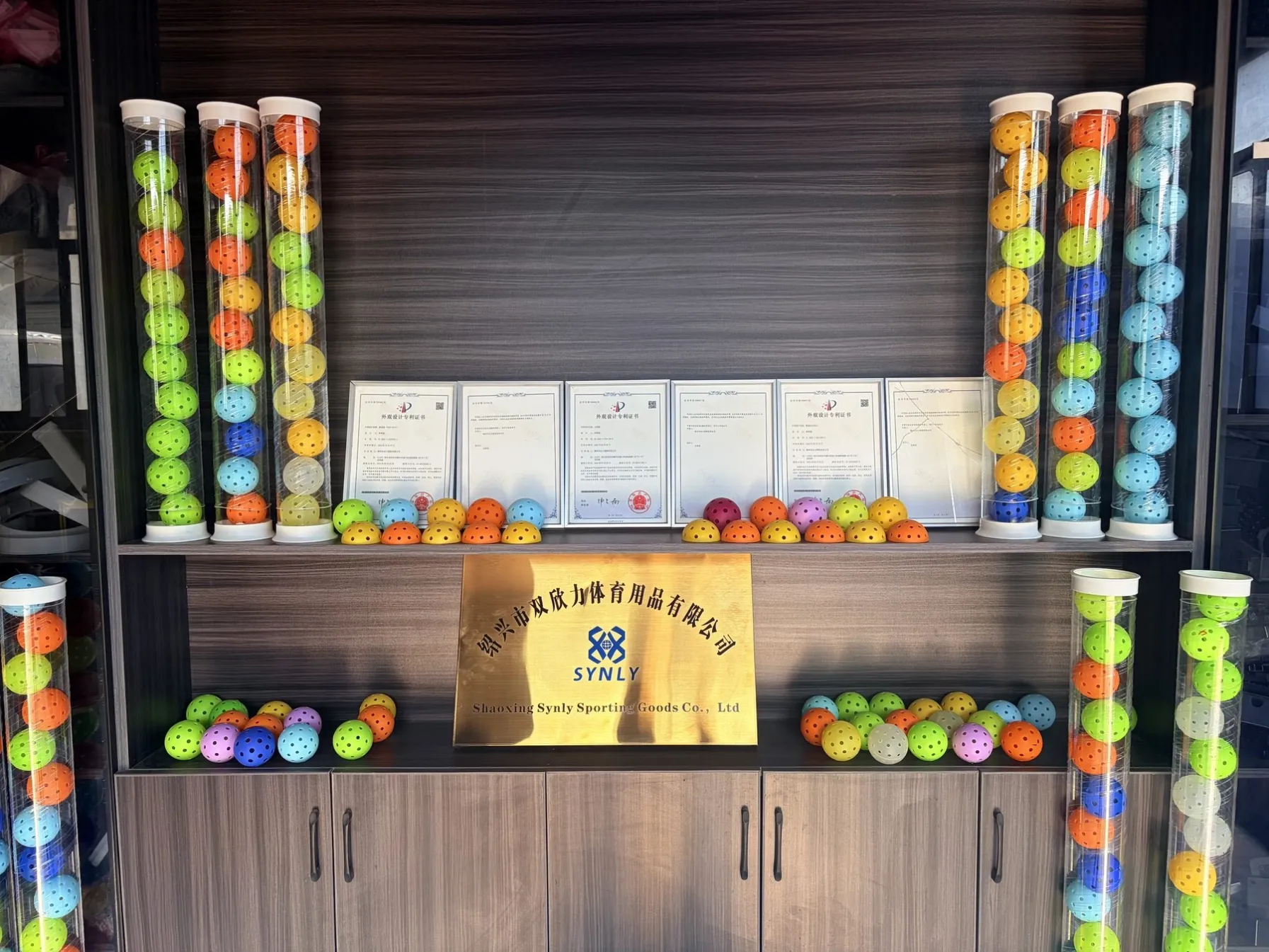
A practical retention set may include one approved product sample, one approved color sample, one complete retail pack, one label or packaging reference and a small sample from the finished production batch.
Each retained item should be labeled with the product, batch code and date. Storage conditions matter because excessive heat, sunlight or deformation can make an old sample unreliable.
What inspection information is worth keeping?
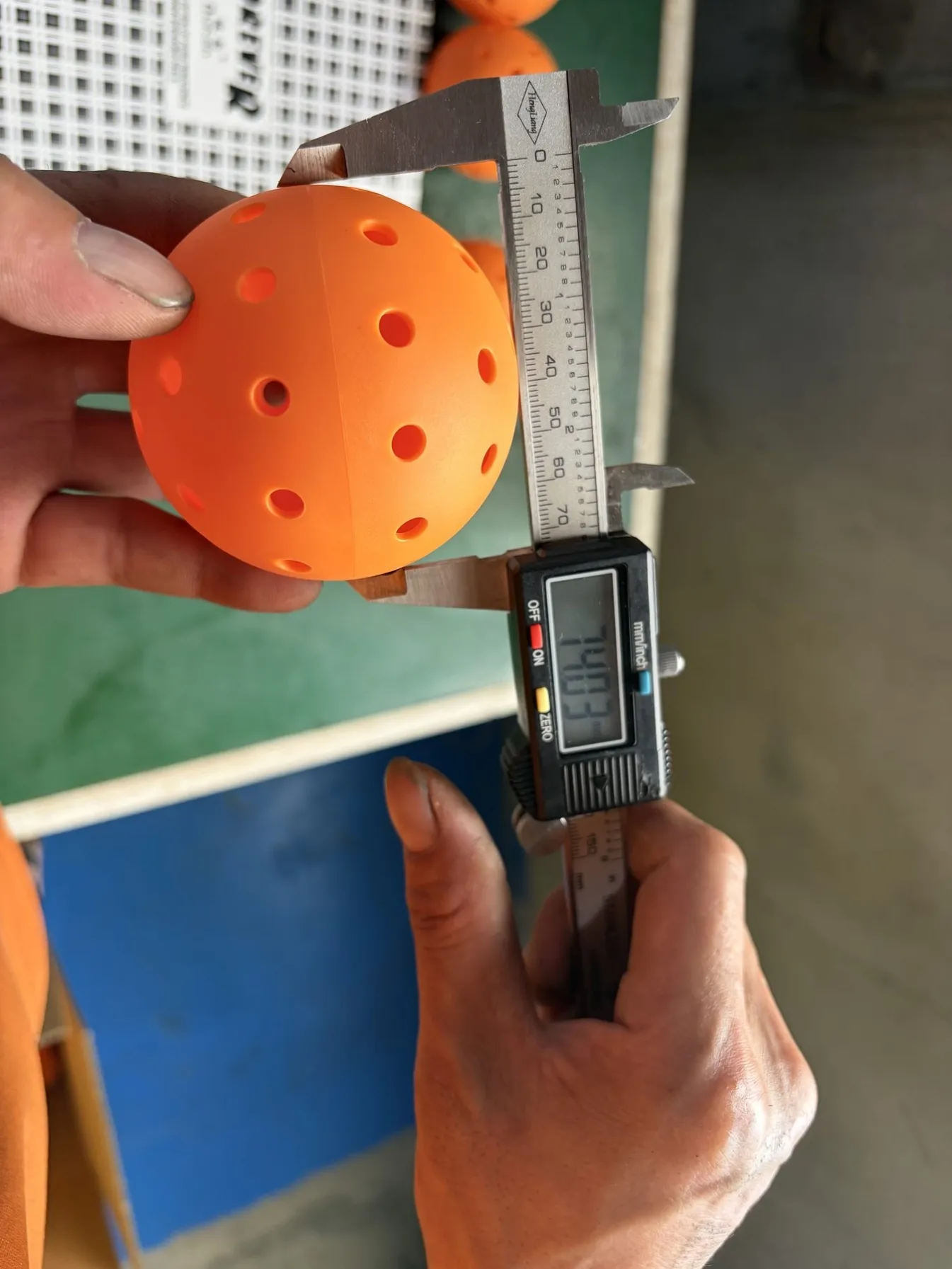
Records should follow the agreed specification and inspection plan. Useful checkpoints may include appearance, hole condition, diameter, weight, roundness, color consistency, packing count and visible defects.
Performance testing should record the method, sample size and test conditions. A number without a method is difficult to compare later. Buyers should avoid treating one informal test as a universal performance claim.
How does traceability help with a complaint?
When a difference or defect is reported, identify the affected batch first. Useful information includes the batch code, carton label, quantity affected, photos or video, when the issue appeared, storage and use conditions, and whether several units show the same issue.
The supplier can compare this evidence with the inspection record and retained sample. This does not automatically determine responsibility, but it makes the investigation more specific and reduces guesswork.
What should buyers confirm before a reorder?
• The previous batch or approved sample reference.
• Color and artwork version.
• Material, hole count and process.
• Retail and master-carton packing.
• Inspection points that must remain the same.
• Any complaint or user feedback from the previous shipment.
• Destination and required timing.
If a change is required, record it as a new revision instead of replacing the old reference without explanation.
Can SYNLY support batch references?
SYNLY can discuss sample approval, batch reference information and inspection checkpoints as part of OEM/ODM order communication. The exact records depend on the product, customization, quantity and agreed quality plan.
We supply 26-hole, 40-hole and 48-hole pickleball options. Our 48-hole ball is available for bulk production, and all colors can be customized subject to sample approval and final specifications. Tournament approval should only be claimed for a model when its current approval status has been verified.
Frequently Asked Questions
Is a batch code the same as a product model?
No. A product model identifies the product design, while a batch code identifies a specific production group or shipment reference.
Should batch information appear on the carton?
It is often useful to place a retrievable batch reference on the master carton or related packing documents. Agree the label format before production.
How long should retained samples be kept?
The period depends on the reorder cycle, sales channel and complaint window. Both sides should agree on a practical period and suitable storage conditions.
Can photos replace a physical approved sample?
Photos help communication, but may not accurately represent color, dimensions, finish or feel. A labeled physical sample is usually a stronger reference when these details matter.
How should a color change be recorded?
Use a new color reference or revision and link it to the approval date and batch. Keep the previous approved color record.