Pickleball for Senior Programs: Equipment Planning for Community Centers
Plan pickleball programs for seniors and active-aging communities: lightweight paddles, indoor kits, quieter balls, session formats and sample steps.
Community centers, senior centers and active-aging communities keep hearing the same request: members want pickleball, and they want it here. The good news is that the sport is easy to host in the spaces these centers already have — multi-purpose rooms, gyms and shared halls — with the right equipment and session planning.
This guide covers equipment and program decisions for centers starting or scaling a senior and active-aging pickleball program: space, gear and formats, plus how to evaluate everything on a sample before committing budget.
Quick answer: what does a center need to start?
Three decisions: where play happens (a court, a gym, or a multi-purpose room with a compact setup), what equipment makes it comfortable (lightweight paddles, indoor or quiet balls, a portable net or compact kit, and a way to collect balls without repeated bending), and how sessions run (shorter games, doubles formats and beginner-friendly welcomes).
Space: start with what the building already has
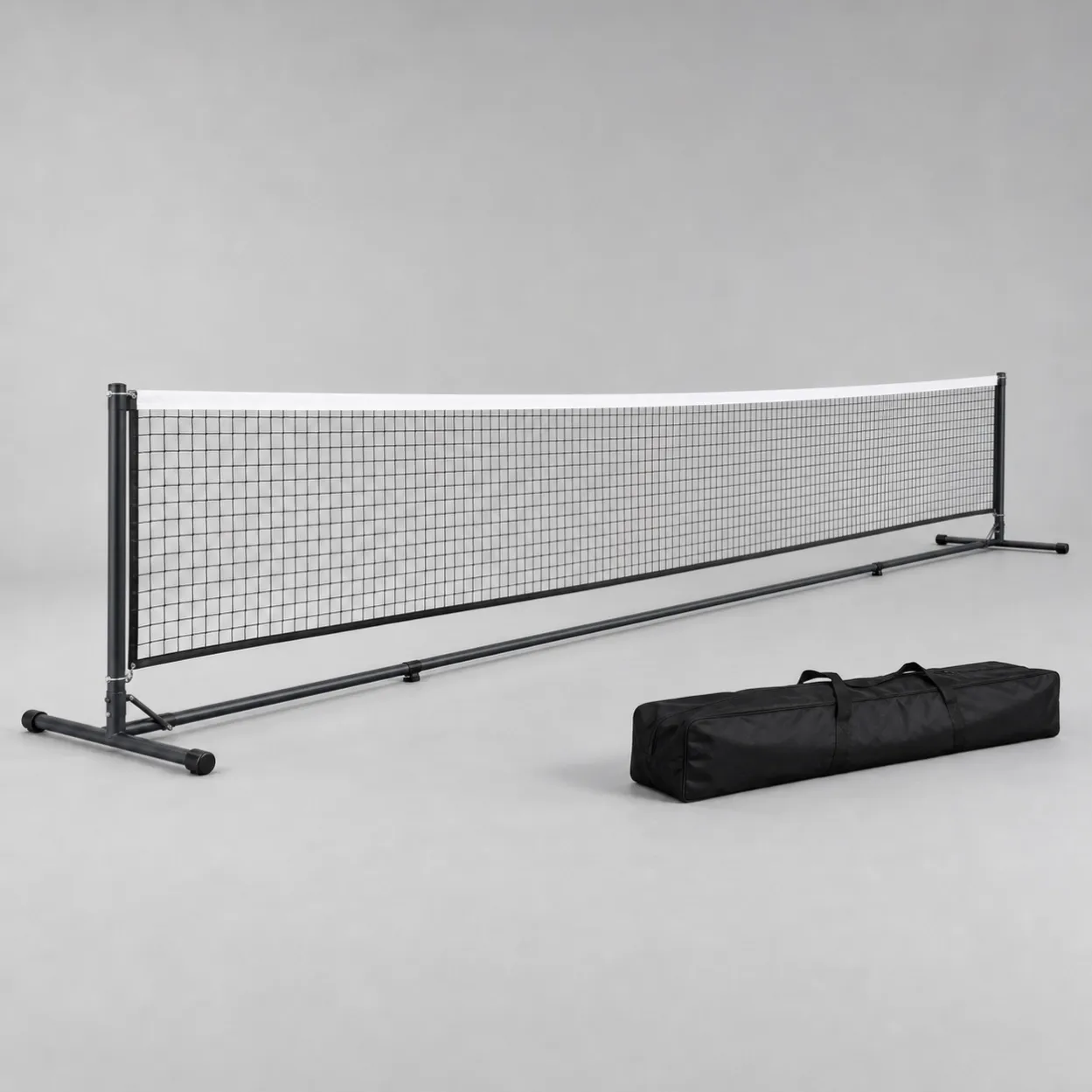
- Full-size portable nets for gyms and halls that can host a regulation-length layout; set up and packed per session;
- Compact court kits — mat, 1.5 m dink net and balls — for multi-purpose rooms where a full court will not fit;
- Good lighting and contrast matter more as eyes age; evaluate ball visibility in the actual room under the actual lights (our color and court contrast guide covers how to test it).
Equipment: comfort and participation come first
- Lightweight paddles: fiberglass starter sets and lightweight composite paddles are the natural starting point for new and casual players. Weight and grip size should be tested by actual participants — provide two options at the first sessions if possible;
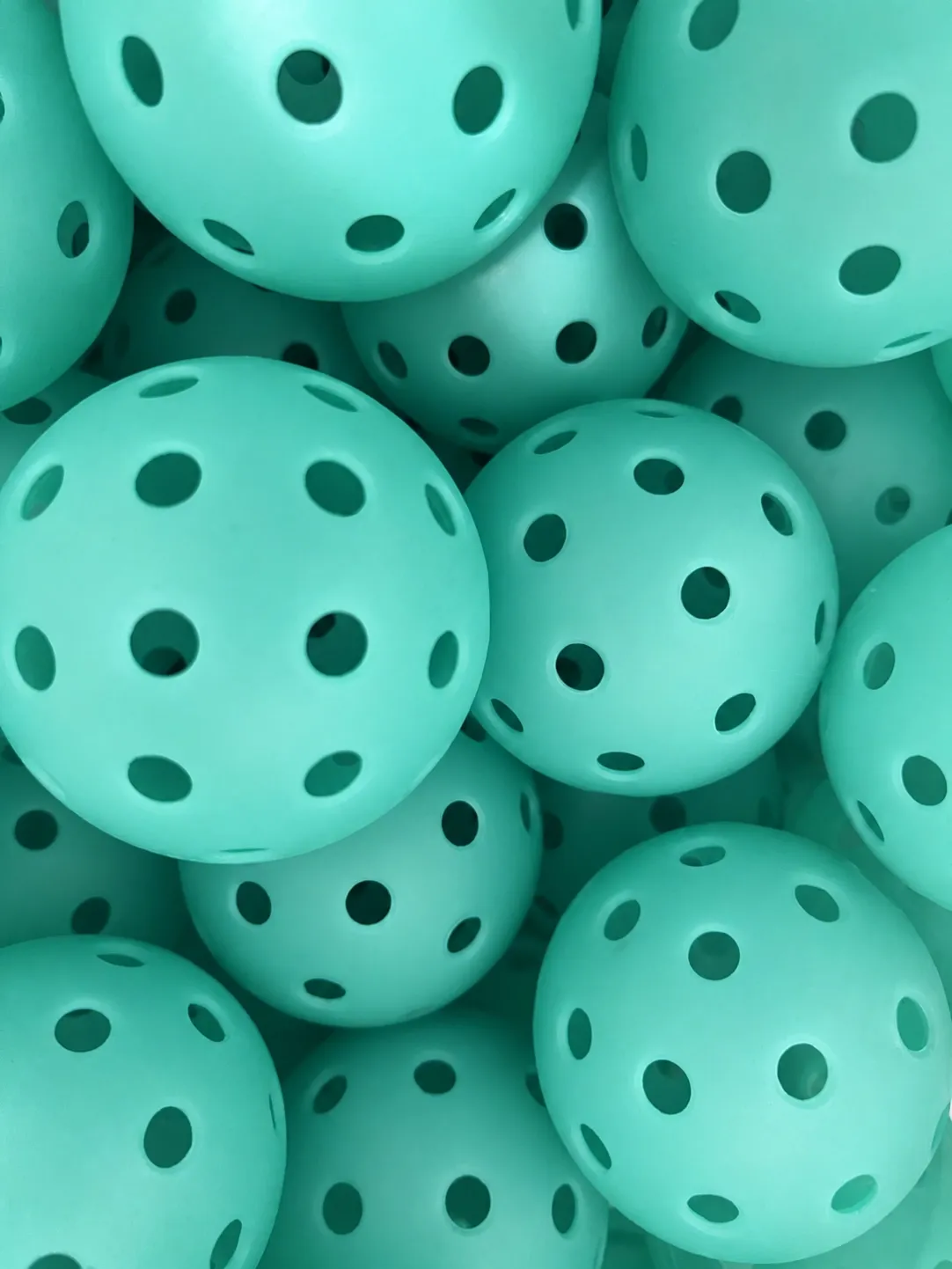
- Balls to fit the venue: 26-hole indoor balls for gyms and halls, and quiet practice balls where shared-space noise is a constraint;
- Rolling collectors: a telescopic collector lets one person clear a room of balls without repeated bending — one of the most appreciated pieces of equipment in any session;
- Storage that keeps gear together: tubes, cases and a simple check-out bin keep loaner paddles and balls organized between sessions.
Program formats that work for the community
- Morning social sessions: doubles rotation formats where waiting time is low and everyone plays several short games;
- Beginner introductions: a compact kit plus lightweight paddles make a first session possible in any multi-purpose room;
- Family and mixed-age slots: parent-child sets lower the barrier for grandparents bringing grandchildren;
- Inter-center matchups: portable nets make it possible to host friendly matches wherever the participants play.
Session planning is about keeping waiting short and entry easy — not about pushing intensity. Program staff know their participants best; the equipment list above is what makes those formats comfortable to run.
Procurement notes for centers
- Order samples first: stand the net, unroll the mat and let staff play a real session before the fleet order;
- Ask about stock versus custom: centers usually start with stock configurations and add center branding later;
- Keep spare balls and replacement parts in the first order — the ball supply is the first thing programs wish they had ordered more of;
- If the center applies for funding or grants, equipment quotations with specifications and lead times make the application concrete.
Frequently Asked Questions
Is pickleball suitable for older adults?
Players of all ages play pickleball, including large numbers of older adults. Individual participation is a matter for each person and their own judgment — the center’s job is to provide comfortable formats and equipment, starting with lightweight paddles and low-intensity session structures.
What paddles should a senior program stock?
Lightweight composite paddles are the usual starting point, with the exact weight and grip size chosen by testing with your participants. A starter set is the practical way to begin; upgrade choices can follow member feedback.
We only have a multi-purpose room. Can we still run pickleball?
Yes — a compact court kit (mat, 1.5 m dink net and balls) is designed exactly for these rooms, and quiet balls keep sessions neighborly. Measure the room first and test one setup in a real session.
What about noise in shared buildings?
Quiet practice balls are the first step for shared spaces. Many centers schedule sessions at times that suit other building users as well — equipment and scheduling together manage the noise question.
How does a center place an order?
Share the venue type, room dimensions, participant numbers and session formats. SYNLY can propose a starter kit list, arrange samples and confirm MOQ and lead time for institutional orders.
Request a Center Program Quotation
Tell us about your center, the available space, expected participants and how sessions will run. SYNLY can propose an equipment list with samples and confirm pricing, MOQ and delivery for your program.
Email: parry@synlypickleball.com
WhatsApp: +86 15067540770
Related: Fiberglass starter set · Compact court kit · Telescopic collector · Color and court contrast guide · Quiet practice balls guide · Browse SYNLY products