Sep 2, 2026Pickleball Innovation
Quiet Pickleball Practice Balls: What Players Still Want Fixed
Quiet foam pickleballs solve a real home-practice problem, but players still report unrealistic bounce and paddle feel. See what a better training ball should test.
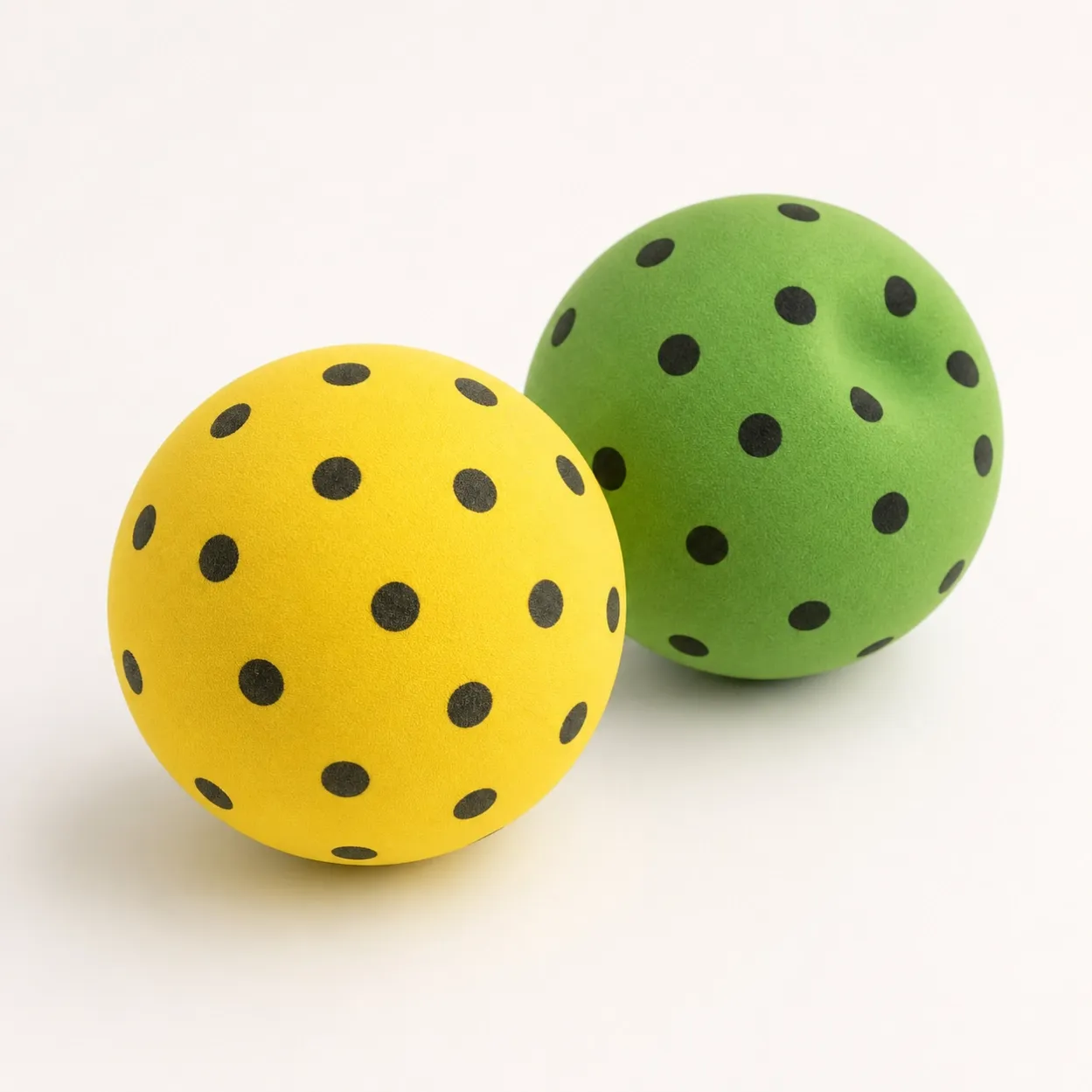
Quiet practice balls solve a real problem. Players want to drill against a wall at home, in an apartment, in a hotel or in another shared space without creating the sharp sound of a standard plastic pickleball.
But “quiet” is only the first requirement.
Recent Reddit discussions repeat the same complaint: foam practice balls are useful, but many do not bounce or feel like a normal pickleball. Some rebound too little. Others rebound too high after a firm wall hit. Players also notice a different sensation off the paddle.
The real design problem is balance
A softer structure can absorb impact noise, but it also changes deformation, rebound and paddle contact. Improving one feature can easily make another worse. The useful question is not simply how quiet the ball is. It is whether the ball remains quiet while giving a repeatable training response.
Five tests for a better quiet practice ball
- Bounce height
Compare several samples with a standard ball using the same drop height, floor and temperature. The target does not have to copy a competition ball perfectly, but the rebound should be predictable.
- Wall rebound
A ball that performs reasonably in a vertical drop can behave very differently after a drive into a wall. Rebound angle and distance matter for volley, reaction and hands-speed drills.
- Paddle-contact feel
Test soft shots, counters and harder swings. A ball that collapses too much, feels hollow or leaves the paddle too quickly may train timing that transfers poorly to court play.
- Sound at different speeds
One reading is not enough. Measure light dinks, normal wall drills and harder drives. Some soft balls become surprisingly sharp or loud at higher speed.
- Shape recovery
Repeated compression can permanently change foam. Record diameter, roundness and rebound before and after a fixed number of impacts.
What clubs, coaches and distributors should know
A quiet practice ball should be sold honestly as a training product, not as a competition replacement. Buyers should know the intended drill, floor type and expected difference from a standard ball before ordering in volume.
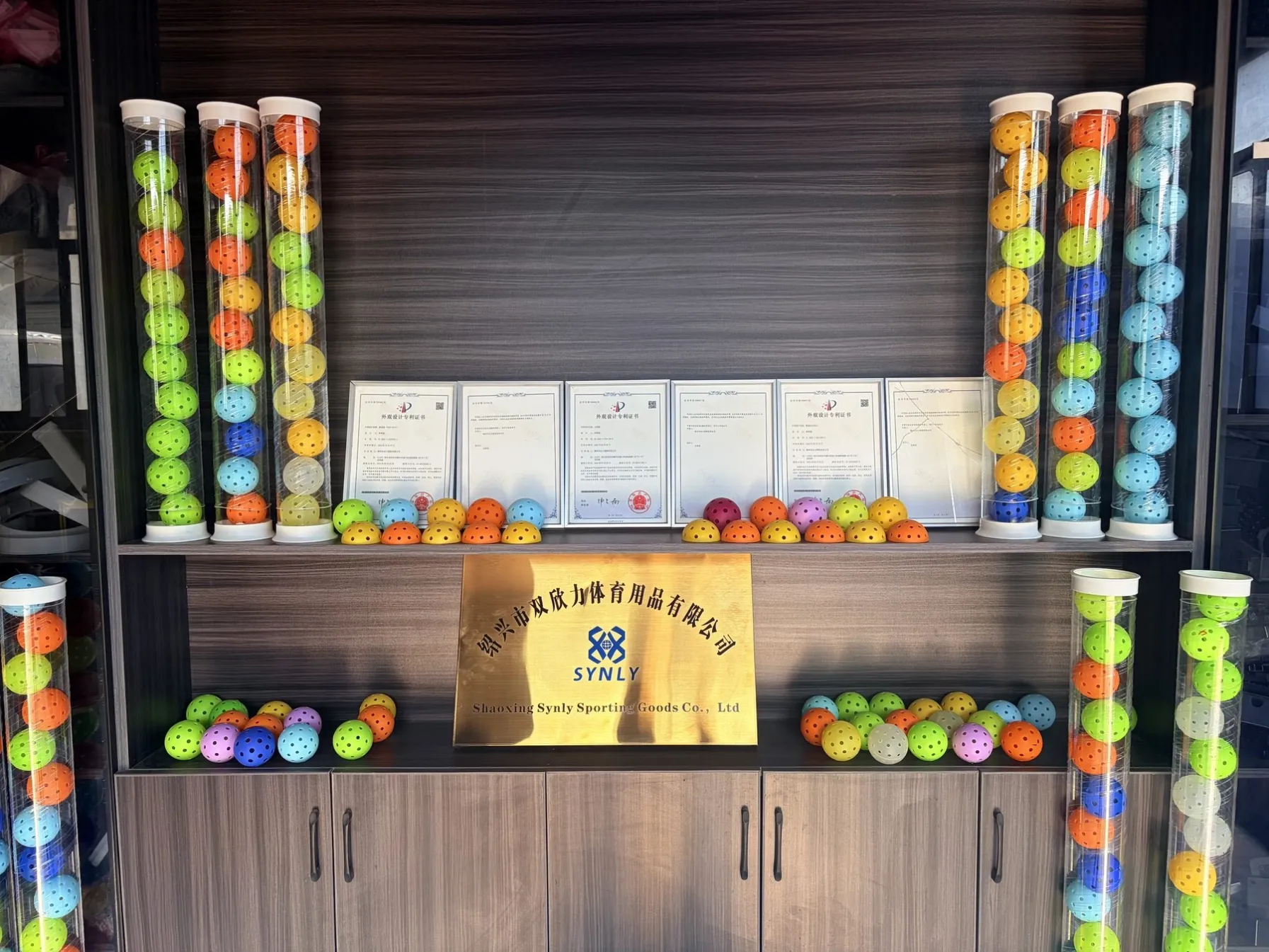
SYNLY currently offers a quiet 40-hole PU foam practice pickleball:
https://synlypickleball.com/products/quiet-40-hole-pu-foam-practice-pickleball
Based on player feedback, our next development step should focus on balancing noise reduction, rebound and paddle feel—not merely choosing a softer material.
If you use quiet balls for indoor or home drills, which problem affects training most: low bounce, excessive bounce, different paddle feel or short service life?
For sample testing or OEM development, contact parry@synlypickleball.com or WhatsApp +86 150 6754 0770.
Frequently Asked Questions
Are quiet pickleballs the same as competition pickleballs?
No. Most quiet foam balls are practice products. Their material, rebound and paddle-contact feel can differ from a standard plastic ball.
What should buyers test?
Test bounce height, wall rebound, sound at several impact speeds, paddle feel, roundness and durability under repeated impacts.
Can a quiet ball still be useful if it does not feel identical?
Yes. It can support timing, contact-point, reaction and repetition drills when its performance difference is understood and consistent.
Does SYNLY support custom quiet practice balls?
Yes. Color, printed pattern, packaging and OEM requirements can be discussed. Performance targets should be agreed through sample testing before bulk production.
Discussion sources