When a Buyer Specifies Pickleball Brands: Sourcing Balls, Nets and Paddles
Learn how to handle specified pickleball brands, exact models, approved equipment, OEM alternatives and mixed ball, net and paddle orders.
In real pickleball equipment inquiries, some buyers do not ask for a general product category. They specify the brand of ball, net and paddle they want.
That request should not be treated as a simple logo question. It can mean that the buyer needs genuine goods from a named brand, an exact model approved for a particular event, a known product as a performance benchmark, or a comparable private-label product without using another brand's identity.
The safest first step is clarification, not an immediate quotation.
What does “we need this brand” actually mean?
Ask the buyer which of the following applies:
- Exact genuine branded product. The buyer needs the named brand and exact commercial model.
- Exact approved model. The product must appear on a current governing-body or event equipment list.
- Brand used as a benchmark. The buyer is describing expected feel, durability, dimensions or market position but may accept alternatives.
- Private-label alternative. The buyer wants its own brand, artwork and packaging around an agreed specification.
- Mixed equipment package. The order combines genuine named-brand items with OEM or SYNLY products.
These are different procurement routes. They require different documents, pricing, lead times and intellectual-property checks.
Brand name, model name and approval status are not the same
A brand may sell many balls or paddles with different materials, colors, thicknesses or approval status. Asking only for the brand leaves room for the wrong model to be quoted.
For every requested item, record:
- Brand and exact model name.
- SKU, size, color and packaging version.
- Indoor, outdoor, recreation, coaching or competition use.
- Country and final destination.
- Required governing body or event.
- Quantity and required delivery date.
- Whether alternatives are allowed.
- Required proof of source, authenticity or approval.
For sanctioned competition, the current approved list should be checked by exact model rather than by brand reputation alone. USA Pickleball maintains separate searchable lists for approved balls and paddles, and status can change. A familiar brand name does not automatically make every model eligible for every event.
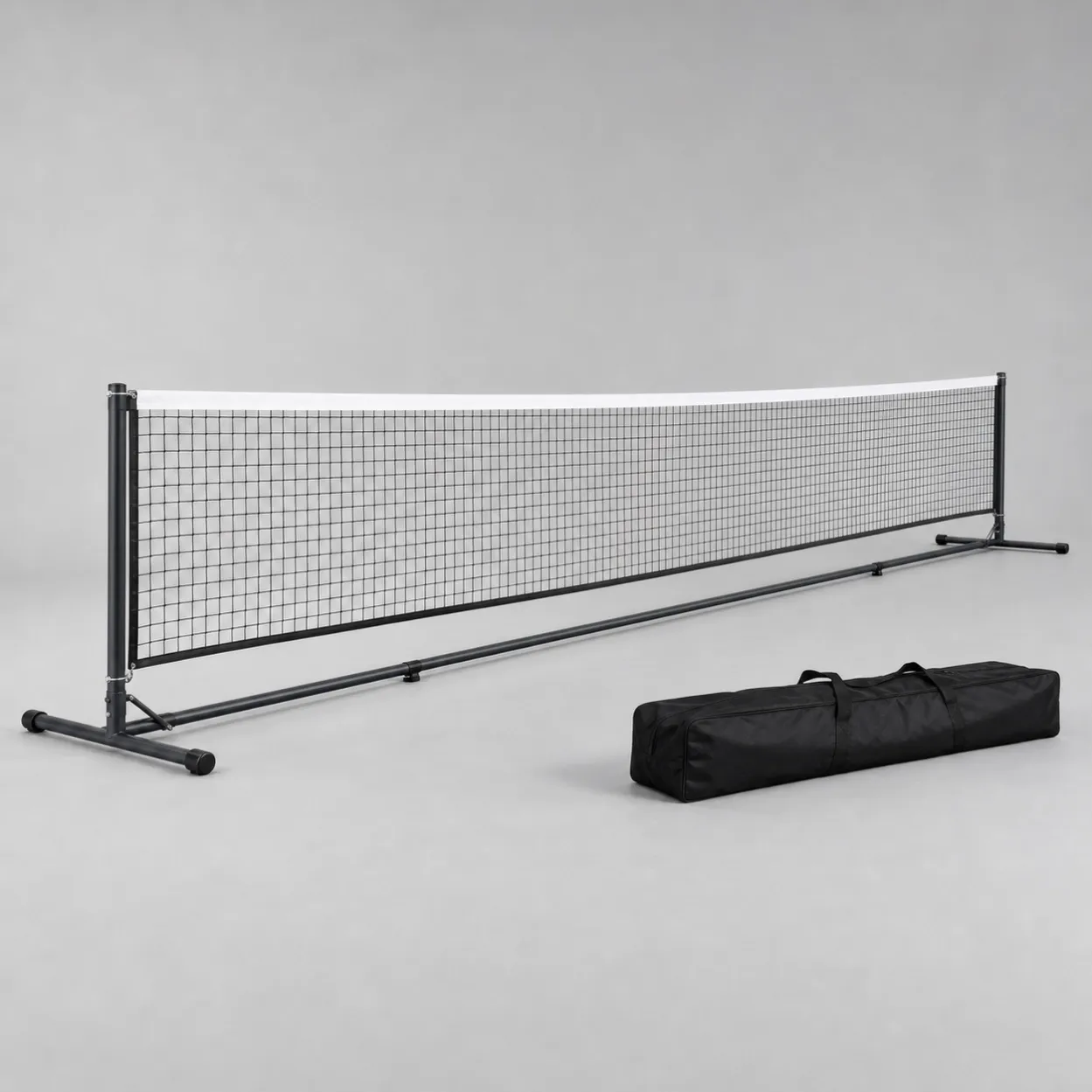
For nets, the buyer may specify a brand because of venue standards, portability, assembly experience or an existing fleet. Confirm the event rules, assembled dimensions and operational reason for the request.
How should genuine third-party branded products be sourced?
If the buyer requires genuine goods from another brand, the quotation should identify the legitimate supply route. Depending on the market and brand, useful records may include supplier identity, commercial invoices, model and SKU details, original packaging identifiers, lot or serial information and authorization evidence where applicable.
Import and distribution rights can vary by country and contract. Buyers and importers should verify requirements for the destination market instead of assuming that genuine-looking packaging is sufficient.
SYNLY should not claim to be an authorized distributor of an unrelated brand unless that authorization can be documented for the exact market and product.
Can a factory put another brand’s logo on an OEM product?
Not without written authorization from the rights holder or an authorized party with the necessary rights.
A request to reproduce another company’s logo, model name, packaging or confusingly similar appearance is not the same as ordinary OEM customization. The compliant OEM route is to use the buyer’s own approved brand assets or a neutral private-label design. Product specifications can be discussed, but another brand’s identity should not be copied.
What if the buyer really wants comparable performance?
If the named product is a benchmark rather than a mandatory purchase, convert the brand reference into measurable requirements.
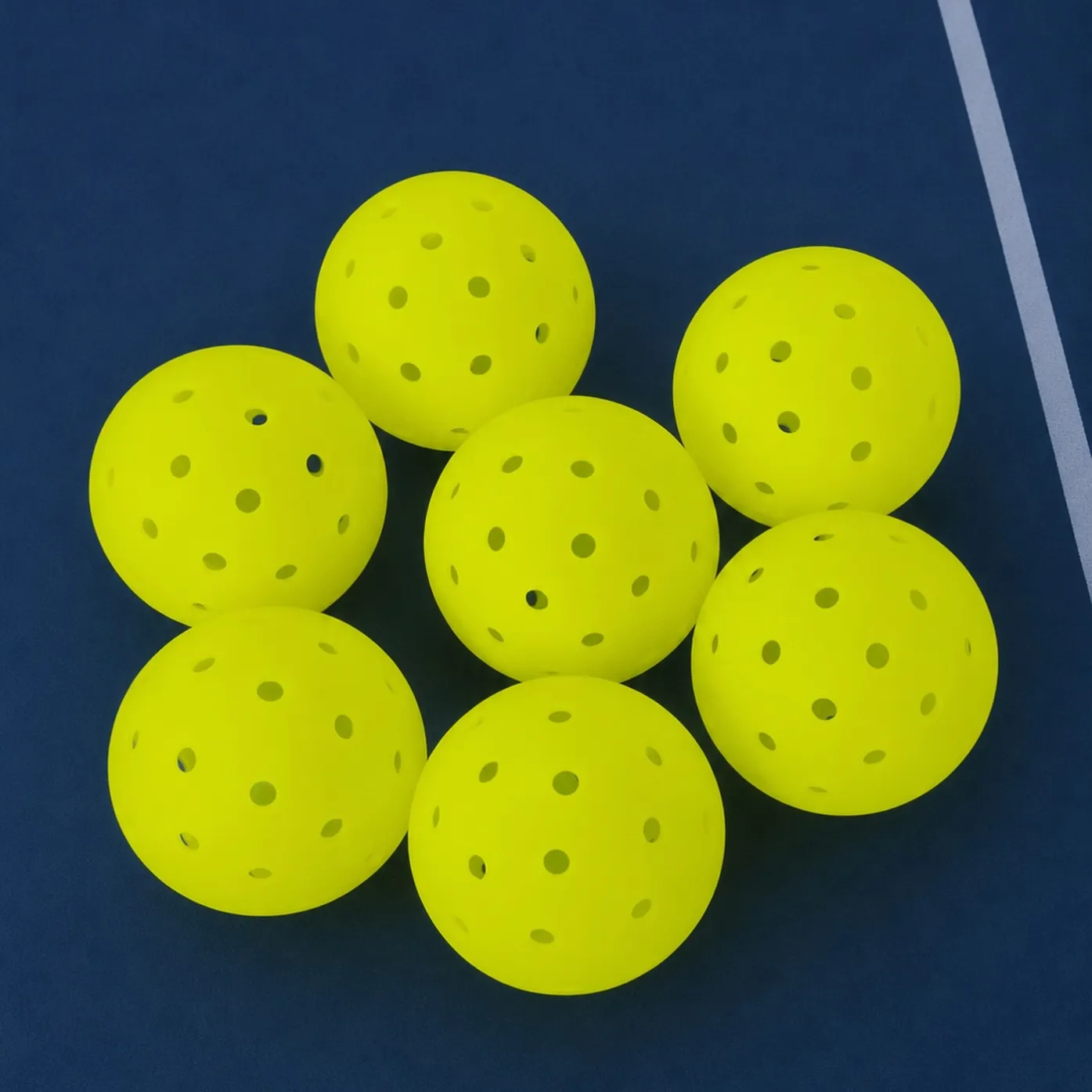
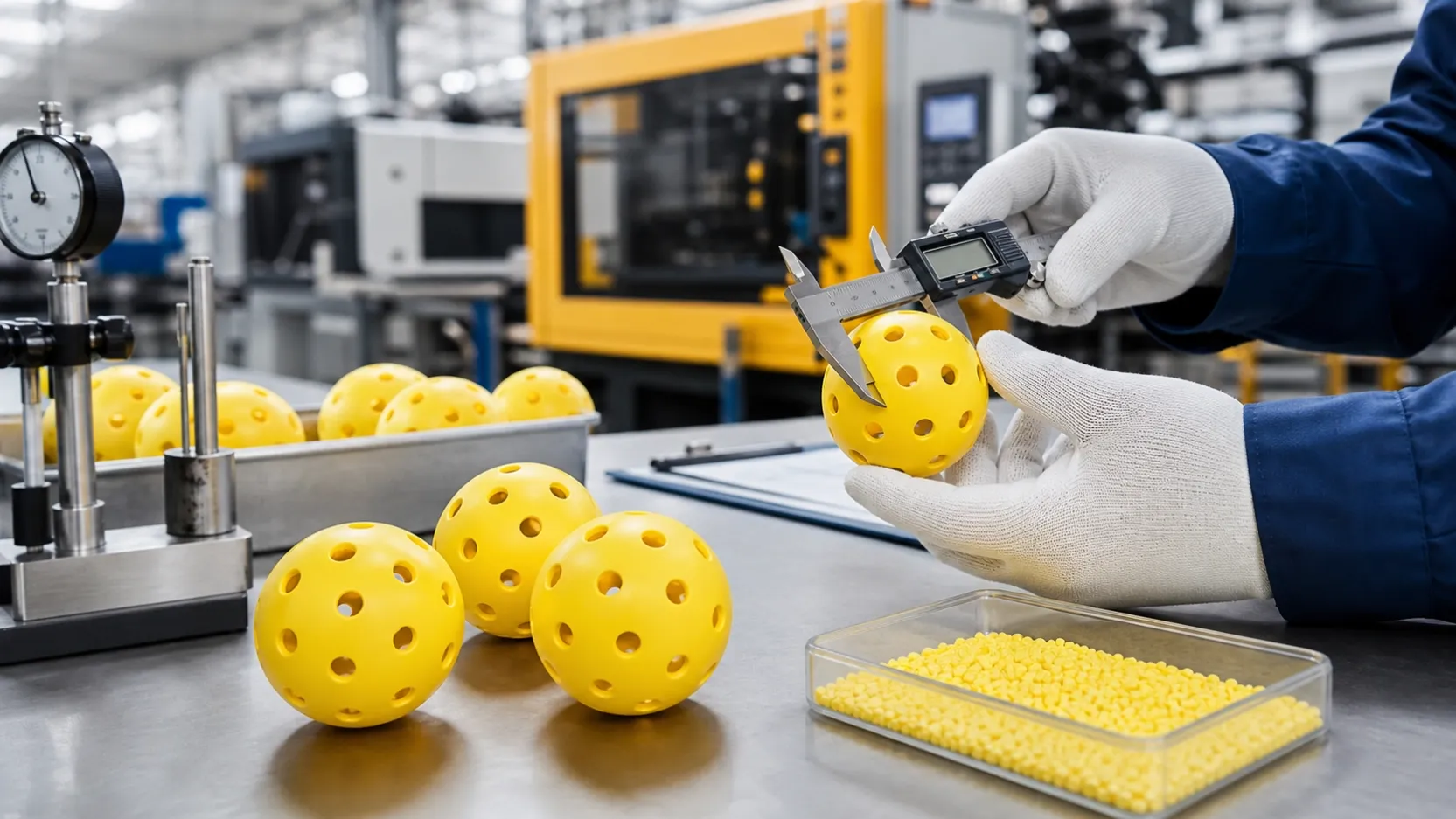
For pickleballs
- Hole count and intended indoor or outdoor use.
- Diameter and weight targets.
- Bounce, flight, roundness and durability priorities.
- Color and court visibility.
- Temperature and climate conditions.
- Approval requirements.
For paddles
- Face material and finish.
- Core type and thickness.
- Shape, overall dimensions and handle length.
- Weight and balance range.
- Edge construction and grip.
- Required testing or governing-body approval.
For portable nets
- Assembled width and height.
- Frame material and joint design.
- Center support and tension.
- Setup frequency and transport.
- Carry bag and replacement parts.
- Venue or event requirements.
An alternative should be presented as an alternative, not described as the same product. Sample testing and written approval are required before substitution.
How can a mixed branded and OEM order be structured?
Some buyers want a package such as a specified competition ball, a preferred portable net and a private-label paddle set. The quotation should separate each supply role and cost instead of hiding everything inside one unit price.
A clear mixed-order quotation can show:
- Genuine named-brand items and their exact models.
- OEM or SYNLY items and their approved specifications.
- Source-verification documents available for branded goods.
- Logo, packaging and sample costs for OEM goods.
- Consolidation, inspection and packing services.
- MOQ and price validity for each line.
- Lead time and availability for each source.
- Freight, duties and destination responsibilities.
- Warranty and defect-handling responsibility by product line.
Never silently replace a requested branded product with an OEM item because the appearance or dimensions seem similar. Obtain written buyer approval for every substitution.
A practical workflow for brand-specified inquiries
Step 1: Record the exact request
Ask for product links, model names, photos of labels and the intended market. A screenshot alone may not identify the correct commercial version.
Step 2: Identify why the brand is required
Is it required by an event, requested by players, specified by a hotel or club standard, needed for resale, or simply used as a quality reference?
Step 3: Choose the procurement route
Select genuine authorized sourcing, buyer-nominated supply, private-label OEM development or a mixed package. Do not combine these routes without clearly labeling them.
Step 4: Verify approval and intellectual-property boundaries
Check the current equipment list for competition use. Confirm trademark permission for logos and packaging. Review destination-market import and distribution requirements.
Step 5: Approve samples and documents
For branded goods, approve the exact model and source evidence. For OEM goods, approve the physical sample, specification, artwork and packaging.
Step 6: Quote each line transparently
Separate unit price, MOQ, tooling or artwork cost, packaging, inspection, consolidation, freight and duties. State quotation validity because third-party brand availability can change.
How should SYNLY respond to these inquiries?
SYNLY can quote its own and OEM/ODM pickleball products according to an approved specification. When an inquiry also includes named third-party products, availability, legitimate source, model identity and destination-market requirements must be verified before any commitment.
If an exact branded item cannot be responsibly supplied, the correct response is to say so and, if the buyer allows it, propose a clearly labeled OEM or private-label alternative for sample evaluation. SYNLY should not claim authorization, approval or equivalence without evidence.
Frequently Asked Questions
Does asking for a brand automatically mean the buyer needs that exact product?
No. Some buyers use a familiar brand as shorthand for a performance level. Ask whether the brand, exact model or only the target specification is mandatory.
Can a supplier quote only the brand name without a model?
That is risky. Record the exact model, SKU, color, package version, approval requirement and destination before quoting.
Is every ball or paddle from an approved brand eligible for sanctioned play?
No. Approval is model-specific and status can change. Check the current official ball or paddle list for the exact product and event.
Can an OEM factory copy another brand’s logo or package?
Not without valid written authorization. A private-label project should use the buyer’s own approved artwork or a new neutral design.
Can a mixed order include named-brand and OEM products?
It can be discussed, but each item should have a clear source, exact model or specification, pricing, lead time, warranty responsibility and approval record.
What information should a buyer send first?
Send the brand, exact model, product link or label photo, quantity, destination country, intended use, required delivery date, approval requirement and whether alternatives are acceptable.
Send a Structured Equipment Request
If your project requires specified balls, nets and paddles, send the exact brand and model for each item together with quantity, destination market, intended use and acceptable alternatives. SYNLY can then separate the genuine branded requirement from the OEM/ODM opportunity and respond without hiding important sourcing assumptions.
Email: parry@synlypickleball.com
WhatsApp: +86 15067540770
Related pages
References
- USA Pickleball approved equipment database
- USA Pickleball approved ball list
- USA Pickleball approved paddle list
- USPTO trademark basics
- U.S. Customs import guidance
This article provides practical procurement guidance and is not legal advice. Rules, approved lists and distribution requirements can change.