Sep 2, 2026Pickleball Innovation
48-Hole Pickleballs and USA Pickleball Rules: What Buyers Must Know
A standards-focused explanation of where 48-hole pickleballs fit today, which events require an approved ball and how clubs can run non-sanctioned field tests.
Can 48-Hole Pickleballs Be USA Pickleball Approved?
We keep seeing the same practical question from clubs and buyers: if a 48-hole pickleball plays well, can it also be used in a USA Pickleball-sanctioned event?
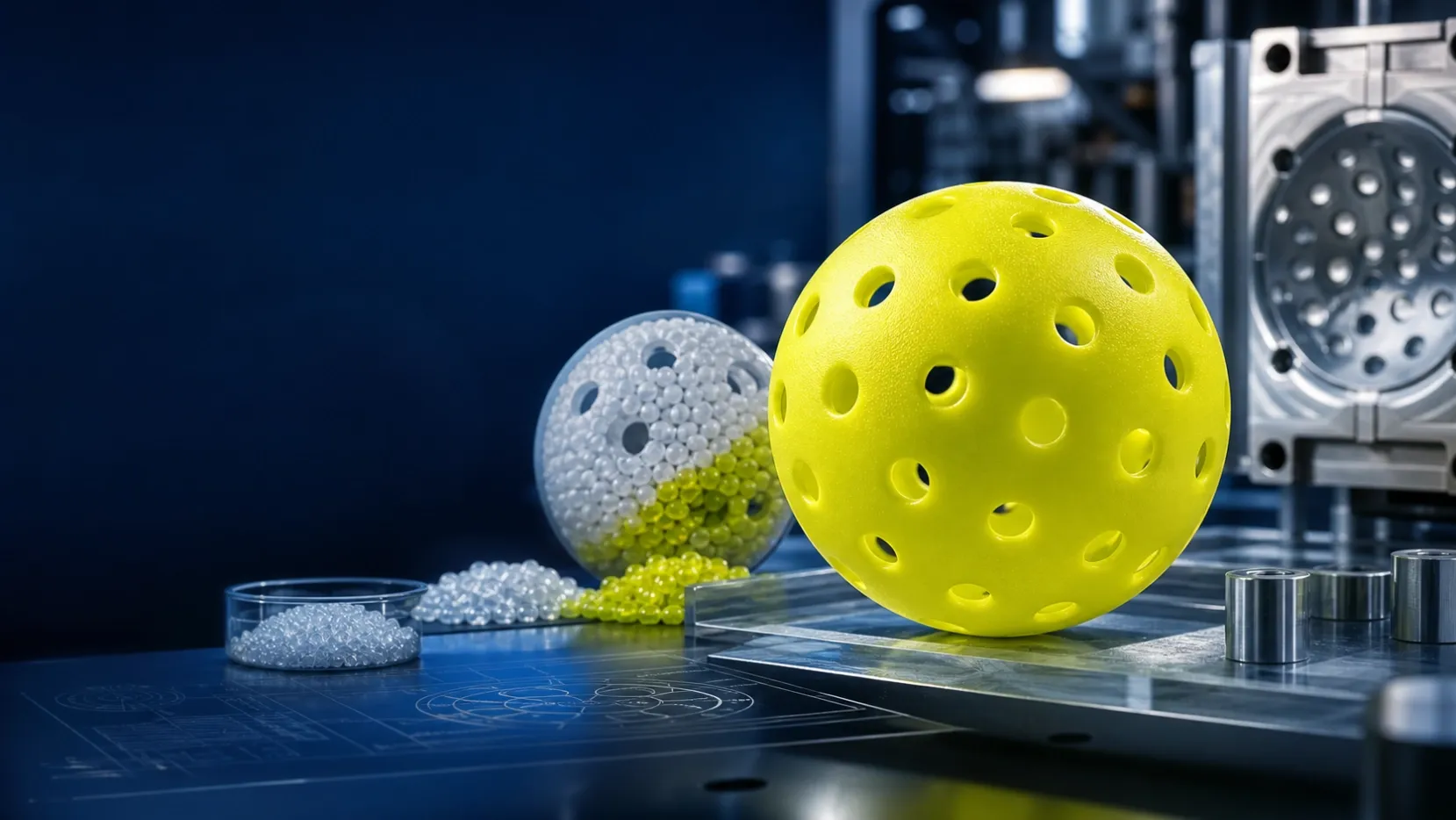
The short answer, under the current standard, is no. The current USA Pickleball Equipment Standards Manual specifies 26 to 40 circular holes for an approved ball. That means a 48-hole ball should not be advertised as USA Pickleball approved today.
That does not make 48-hole development meaningless. It simply means buyers need to separate two questions:
- Is the ball approved for sanctioned competition?
- Does the ball have useful performance for club practice, recreational play, private events or product testing?
Those are different questions, and honest suppliers should treat them that way.
Where a 48-hole ball fits today
At present, a 48-hole ball is best treated as a development and field-test product. Clubs can use it for training sessions, recreational play and private trials, provided players understand that it is not on the current USA Pickleball approved-ball list.
For sanctioned events, tournament organizers should select a ball from the latest official approved list. For ordinary club use, however, buyers can still compare a 48-hole design on bounce, speed, roundness, visibility and durability.
What recent player discussions reveal
Recent Reddit discussions about pickleballs rarely agree on one “best” model. Some players prefer a faster ball. Others want a softer feel or brighter color. The points that appear repeatedly are more useful for manufacturers:
• The bounce should be predictable from ball to ball.
• The ball should stay round after repeated hard drives.
• It should not soften, ovalize or crack quickly on hot courts.
• Speed should remain usable after more than one session.
• Color and visibility matter indoors, outdoors and in shade.
These comments are not laboratory standards, but they are valuable field feedback. A product that looks good in a catalog can still fail during a long club session.
The first test should be bounce consistency
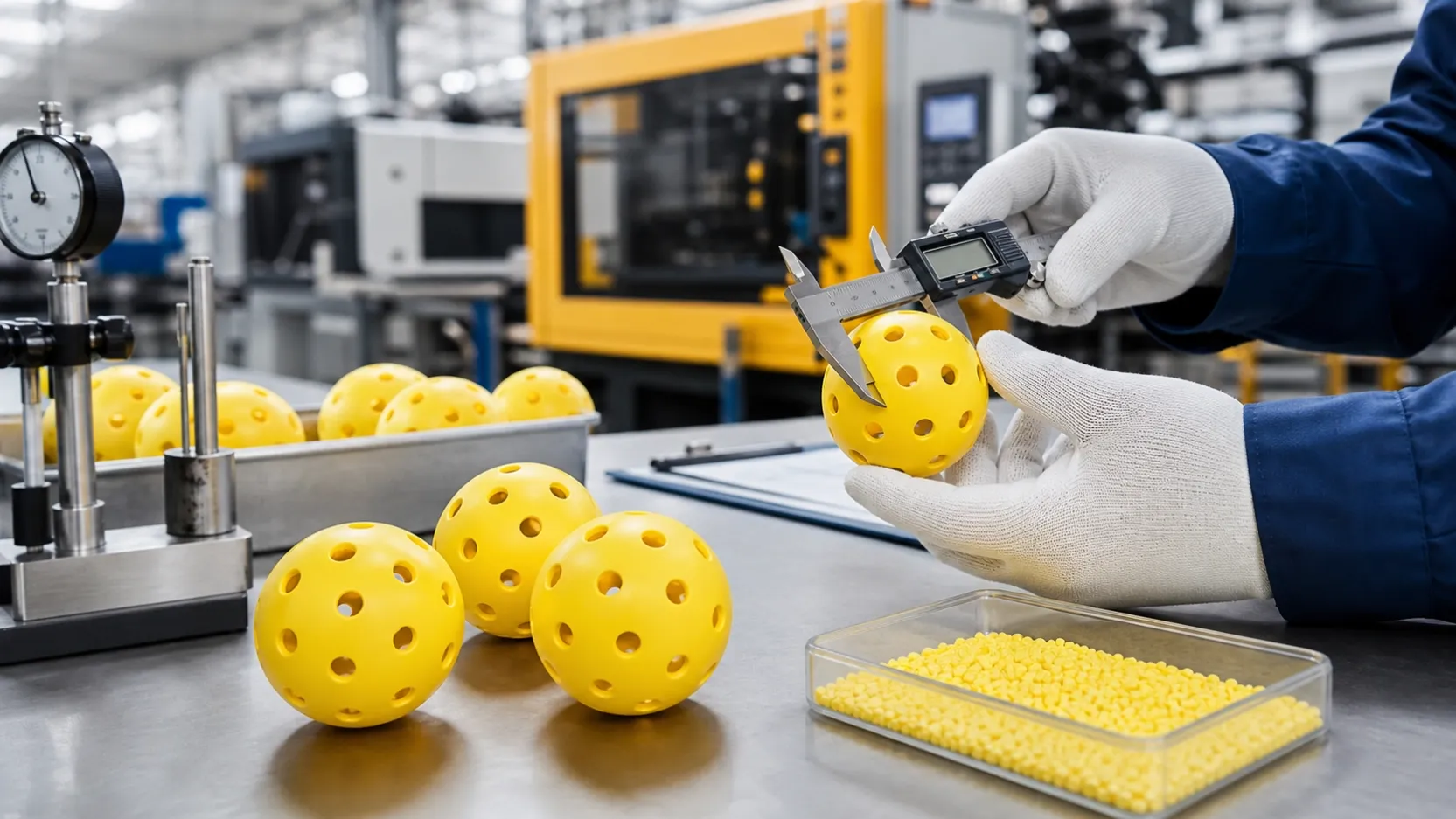
A single high rebound proves very little. Clubs should test several balls from the same sample batch, use the same drop height and surface, and repeat the measurement before and after play.
The important result is not just average bounce height. It is the variation between balls and the change after repeated impacts. When one ball feels lively and the next feels flat, players lose confidence quickly.
Heat and humidity cannot be ignored
One recent player discussion described balls softening, going out of round or cracking on a very hot court. That is especially relevant in India, Thailand, Malaysia, Singapore, Vietnam and Indonesia.
Room-temperature testing is only a starting point. A useful field test records air temperature, court conditions, playing time and visible changes after the session. The same sample should also be checked after transport and storage, because a distributor's real supply chain is different from a factory test room.
Roundness and hole-edge durability matter
Before play, roll each ball on a flat surface and check for wobble. Repeat the check after 30 minutes and again after 60–90 minutes. Then inspect the hole edges under consistent lighting.
Cracks often begin around high-stress areas. Buyers should also compare several balls, not just the best prototype, because batch consistency matters more than one impressive sample.
SYNLY's 48-hole development direction
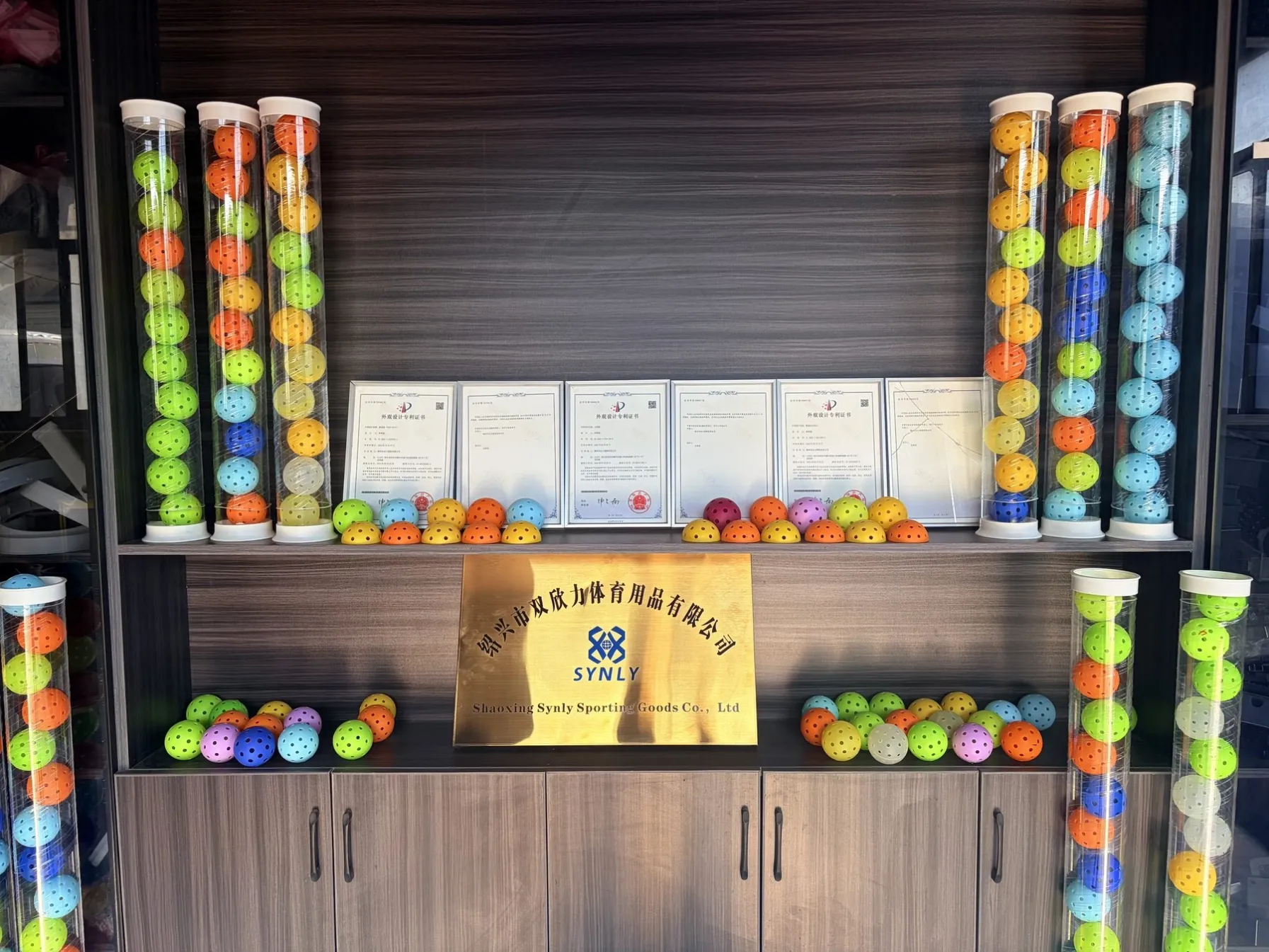
SYNLY is developing a smooth-finish 48-hole pickleball. Our priorities are better elasticity, predictable bounce, stable roundness and resistance to cracking or deformation.
We are not presenting this project as USA Pickleball approved. The purpose of the current stage is to collect structured feedback from real clubs, coaches, associations and distributors.
We are particularly interested in field tests in Southeast Asia and India, where heat and humidity can expose weaknesses that are easy to miss in a short indoor test.
If your organization can compare several samples during normal play and report bounce, roundness and durability honestly, we would like to hear from you.
Frequently Asked Questions
Is a 48-hole pickleball currently USA Pickleball approved?
Under the current equipment standard, an approved ball must have 26 to 40 circular holes. Always check the latest official approved-ball list before selecting a ball for sanctioned competition.
Can a club still test a 48-hole ball?
Yes. It can be evaluated for training, recreational play, private events and product development, as long as no sanctioned-approval claim is made.
What should clubs measure first?
Start with bounce consistency across several balls. Then check speed, roundness, recovery after hard impacts, hole-edge cracking, visibility and batch variation.
Why is hot-weather testing important?
High court and storage temperatures can change stiffness, bounce and shape. Testing in the intended market is more useful than relying only on room-temperature results.
Can Southeast Asian and Indian clubs join SYNLY's test program?
Yes. SYNLY welcomes structured feedback from clubs, coaches, associations and distributors that can test samples under real playing conditions.
Sources
USA Pickleball Equipment Standards Manual:
https://usapickleball.org/docs/eec/Equipment-Standards-Manual.pdf
Reddit: hot-weather ball behavior:
https://www.reddit.com/r/Pickleball/comments/1venzzb/heated_pickleball_behavior/
Reddit: ball consistency and durability:
https://www.reddit.com/r/Pickleball/comments/1ur77ai/best_ball_out_there/
Reddit: 48-hole ball specifications:
https://www.reddit.com/r/Pickleball/comments/1vm7jls/lifetime_48_balls_specifications/