Pickleball Paddle Face Stickers: What Wholesale Buyers Should Check
Learn how to evaluate pickleball paddle face stickers for practice, refurbishment and retail, including fit, application, packaging and rule boundaries.
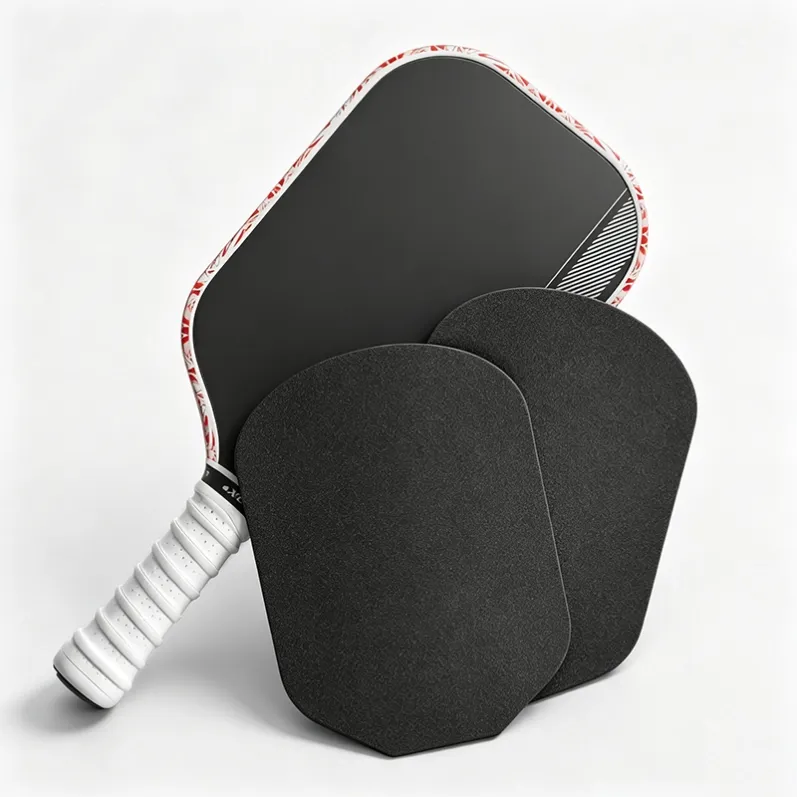
A pickleball paddle face sticker looks simple, but it combines several buyer decisions in one product: shape accuracy, surface appearance, adhesive behavior, application instructions, packaging and the intended use. For a retailer or private-label buyer, the first question should not be “How much spin does it add?” It should be “What problem is this product meant to solve, and how can we describe that purpose accurately?”
Full-face stickers are best approached as practice, cosmetic-refurbishment and merchandising accessories. A pair of shaped black sheets can refresh the appearance of a worn practice paddle, provide a consistent visual finish for a club activity or create an accessory SKU for recreational players. It should not automatically be marketed as a tournament-performance upgrade.
Start with the intended use
Before requesting a quotation, define the customer and the use case. A training facility may want a practical way to refresh demo paddles. A retailer may want a two-piece set that is easy to explain and display. A promotional program may care more about color and packaging than about long-term use.
These uses lead to different acceptance criteria. For practice and refurbishment, buyers may prioritize clean application and visual coverage. For retail, they may also need clear instructions, individual packaging and warnings about compatibility. If the product is meant to carry custom graphics, artwork resolution, color tolerance and print-position approval become part of the sample process.
Fit is a model-by-model question
Pickleball paddles do not all share one outline. Standard, elongated, widebody and hybrid shapes can differ at the shoulders, throat and top radius. A sticker that appears close enough in a product photo may still overhang an edge, leave an uneven border or cover an area the buyer did not intend to cover.
Ask the supplier how the cutting template is created. Ideally, a buyer provides a paddle drawing, a reliable outline or a physical sample. The approval sample should be installed on the target paddle, not only placed over a printed template. Check the edge gap, throat alignment, symmetry between the two sides and whether the sheet can be positioned without stretching.
The current SYNLY reference range shows black two-piece paddle-face sets and examples for more than one paddle outline. Exact dimensions and compatible models still require approval against the buyer’s target paddle.
Evaluate application, not just the product photo
The installation sequence matters because the finished result depends on preparation. The available instructions show four basic stages: clean the paddle area, remove the backing, position the sticker while pressing out air and complete the application. A commercial buyer should turn those steps into an inspection checklist.
Use a clean paddle at room temperature. Apply the sample slowly and observe whether it can be aligned before full pressure is applied. Look for bubbles, wrinkles, edge lift and movement around curved sections. Then test the installed sample through the intended recreational-use cycle. If removal is important, perform a removal test on every relevant face finish. Do not promise residue-free removal from supplier artwork alone; adhesives can behave differently on painted, printed, coated and raw surfaces.
Treat texture and performance claims carefully
The source images show a fine-textured black finish, but that visual fact is not a measured performance result. A responsible listing should not promise more spin, more control or a legal performance advantage without appropriate testing.
There is also a clear rules boundary. USA Pickleball’s current rules page says the 2026 Official Rulebook and the Equipment Standards Manual together govern equipment. The standards require altered paddles to continue meeting all specifications, restrict surface features that can create excessive spin and list only certain types of alteration. They do not make a general allowance for an aftermarket full-face textured sticker on a certified paddle. The practical conclusion is simple: market this accessory for practice, refurbishment or recreational customization, and tell players to confirm current event rules before sanctioned play.
Build a wholesale sample approval sheet
A useful approval sheet should record:
- target paddle model and outline;
- sticker cut shape and edge clearance;
- front/back sheet count;
- color and surface appearance;
- alignment around the throat and top corners;
- bubble and wrinkle observations after application;
- edge-lift observations after a defined practice period;
- removal observations on the intended paddle finish;
- packaging, barcode and instruction language;
- custom artwork version, if applicable.
Keep the approved sample and the final artwork reference together. If the buyer later expands to another paddle shape, treat that outline as a new item rather than assuming the first die line will fit.
Questions to ask before ordering
Ask whether one pack contains one or two face pieces and confirm how each piece is protected during shipping. Request a photo of the actual packed unit. If private labeling is required, confirm whether the logo is printed on the sheet, the backing paper, the retail card or the outer package. Each option creates a different appearance and different artwork requirements.
MOQ, price, lead time, material composition and exact dimensions are not established by the supplied product files. They should be confirmed in a written quotation after the buyer provides the target shape, quantity, packaging and branding requirements.
A better way to position the product
The strongest product story is not an unsupported claim that the sticker transforms a paddle. It is a clear promise of purpose: a visually consistent, shaped accessory for practice paddles, recreational customization, refurbishment projects or retail add-on programs, with fit and application confirmed through samples.
That positioning gives distributors useful content, reduces complaints from players expecting tournament approval and makes OEM discussions more specific. It also leaves room for custom packaging or artwork without confusing appearance customization with certified paddle performance.
FAQ
Can a paddle face sticker be used in a sanctioned tournament?
Do not assume so. A full-face aftermarket sticker can change the paddle’s hitting surface. Players should check the current rulebook, approved-equipment requirements and event officials before use.
Will one sticker shape fit every pickleball paddle?
No. Paddle outlines vary. The cut file should be approved against the exact target model or a reliable template.
Can SYNLY guarantee that the sticker leaves no residue?
No universal guarantee is offered. Removal behavior should be tested on the buyer’s actual paddle finish before retail claims are finalized.
Is custom branding available?
Custom color, artwork and packaging feasibility can be discussed after the target shape and order requirements are provided. Final details remain subject to sample confirmation.
Request a Sample or Quotation
Planning a practice-paddle refurbishment kit or a private-label accessory line? Send the target paddle outline, quantity, artwork and packaging idea to parry@synlypickleball.com or WhatsApp +86 15067540770. SYNLY can review customization feasibility and prepare the next sample discussion without making unverified performance or competition claims.
Related: View the matching product · Browse SYNLY products · Contact SYNLY