Ball Logo Printing Costs: Setup Fees, Minimums and Screen Printing
Understand ball logo printing costs: setup fees, print minimums, per-piece pricing and the new 1–2 color screen printing with no plate fee.
Logo printing is one of the first customization requests a pickleball buyer makes — and one of the last costs they fully understand. Printers quote a per-piece price, sometimes add a one-time setup charge, and attach a minimum order to the print run. Knowing what each line item is lets a buyer compare quotations fairly and choose the method that actually fits the artwork.
This guide explains the cost structure of pickleball logo printing: setup fees, print minimums and per-piece pricing — plus a new option at SYNLY: in-house screen printing for 1–2 color logos with no plate fee.
Quick answer: what are you paying for?
Three components: a one-time setup (plate or screen) fee where the method requires it, a per-piece printing cost for ink, labor and curing, and a print minimum for the run. The design itself — artwork prep, color count and print area — decides which of these apply and how large they are.
The three cost components, explained
- Setup / plate fee: a one-time charge to make the printing tooling for your artwork — a screen, plate or engraving. It is charged once per artwork per size, which is why changing a logo slightly (or printing it in a new size) can trigger it again;
- Per-piece printing cost: the recurring cost of printing each ball — ink, handling, curing and quality checking. This scales with quantity, print position and the number of colors;
- Print minimum: the smallest run the method makes sense for. Minimums differ by process and product, and they are confirmed per project in the quotation.
What the new screen printing line changes
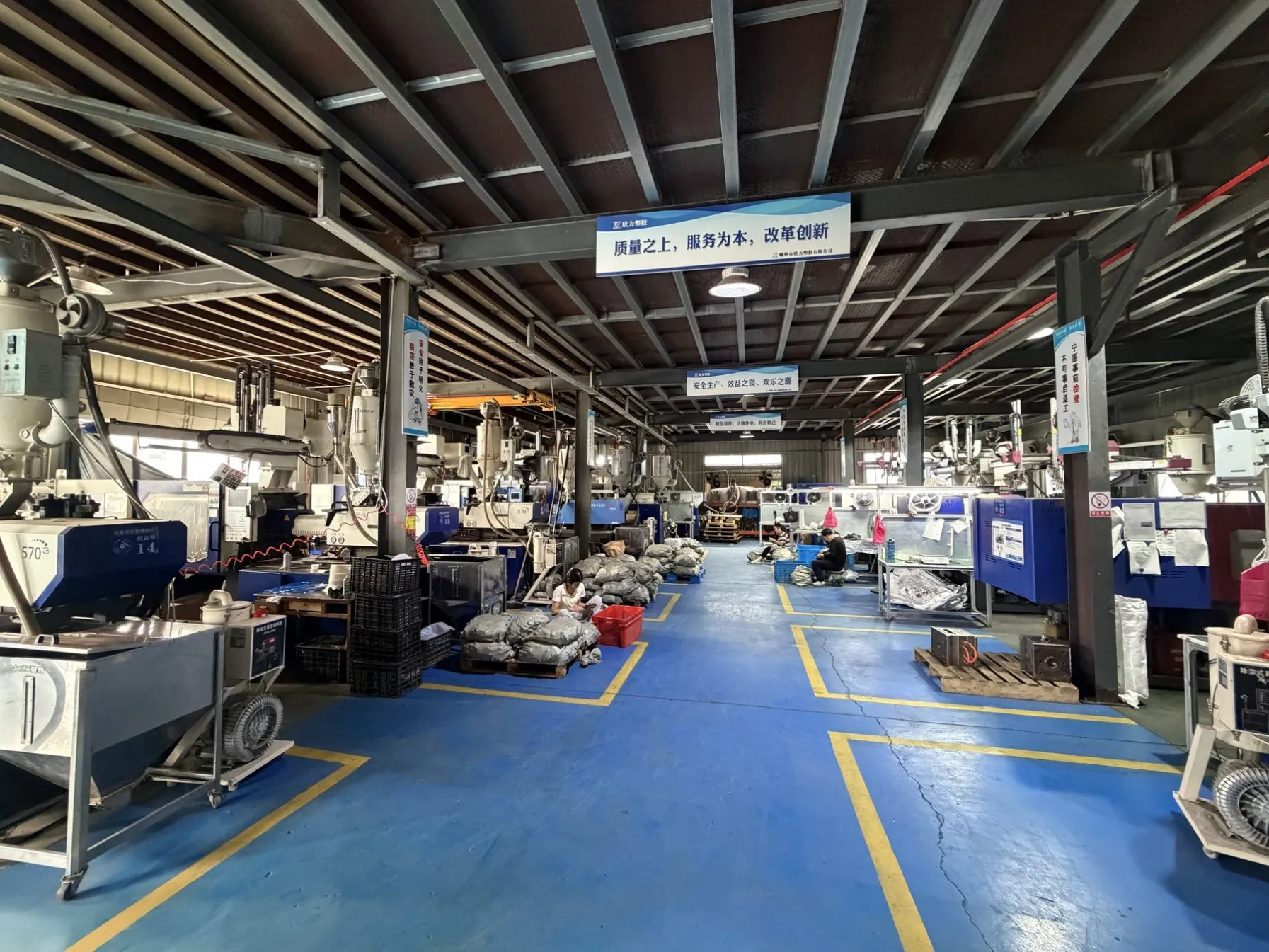
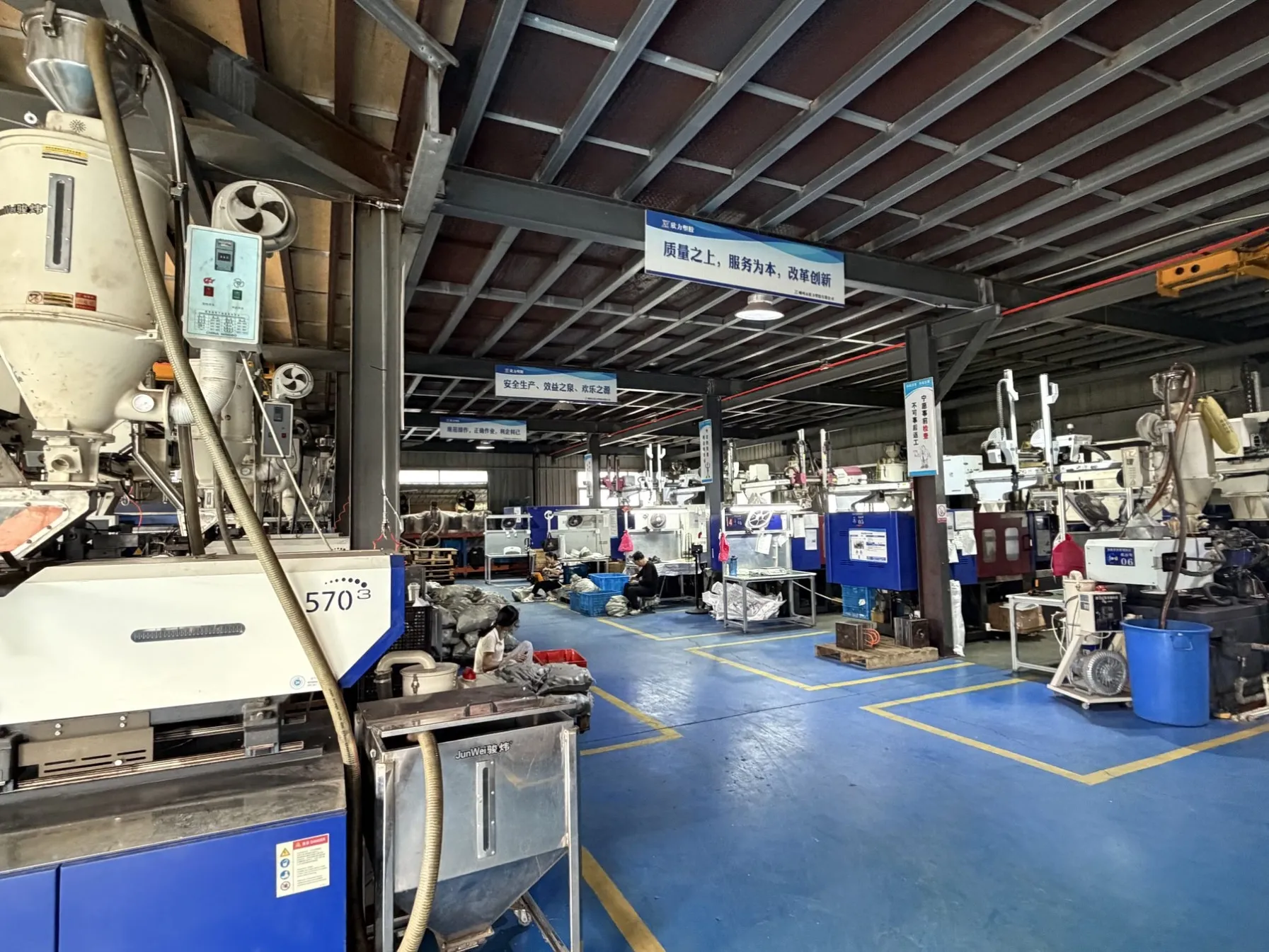
SYNLY now runs an in-house screen printing line for pickleball logos. The practical difference for buyers:
- No plate fee for 1–2 color logos: simple one- and two-color marks no longer carry a setup charge, which lowers the entry cost of a private-label run;
- Easier trial and small-batch branding: a brand testing a new ball line, or a club ordering branded balls for a season, does not need to amortize tooling before the first order;
- Two-color marks are supported: a club crest with two colors, or a logo with a wordmark plus accent, fits the process — more complex artwork moves to other methods;
- Per-piece cost and minimums still apply: printing is still priced per ball, and the print minimum for the run is confirmed per order.
For the full artwork and sample-approval workflow — authorized files, physical samples, rub checks and version control — see our custom logo printing guide.
Choosing a method by design, not by habit
The right method follows the artwork. In broad terms:
- Screen printing suits one- and two-color logos with reasonable line weights — the no-plate-fee option;
- Pad printing handles more complex or multi-color artwork on curved products, with its own minimum per run;
- Laser marking gives a permanent, high-contrast mark for simple logos at smaller quantities;
- UV printing supports color-rich or photographic artwork where the project justifies it.
No single method is “cheapest” in the abstract — compare quotations against the same artwork, the same ball model and the same quantity, and ask which minimums and fees each quote includes.
How to get a comparable quotation
- Send the artwork as a production-ready vector file with the exact color references;
- State the ball model (26-hole indoor, 40-hole outdoor, 48-hole, or a custom model) and the print position;
- State the target print size and how many colors the logo uses;
- Give the quantity — and separate quantities per colorway if the program has several;
- Ask explicitly which fees and minimums apply to the proposed method.
Practical ways to keep print costs down
- Simplify the mark: a one-color version of a logo often prints more cleanly on a perforated, curved ball — and fits the no-fee screen option;
- Aggregate orders: clubs and small brands can collect pre-orders and place one print run instead of several small ones (our club merchandise guide covers the pre-order format);
- Freeze the artwork: changing the logo or print size between orders is the most common reason buyers pay setup costs twice;
- Approve a physical sample first: a sample catches print issues before a bulk run, which is cheaper than redoing a batch.
Frequently Asked Questions
Is there a setup fee for logo printing on pickleballs?
For 1–2 color screen printing at SYNLY there is no plate or screen setup fee. Other methods and more complex artwork may carry a one-time setup charge, which is stated per project in the quotation.
Why do some printers charge plate fees at all?
The fee covers making the printing tooling for a specific artwork and size. It is a one-time cost per artwork that some methods need before the first ball can be printed — which is why methods and suppliers differ.
Does no plate fee mean printing is free?
No — the per-piece printing cost still applies to every ball, and the print minimum applies to the run. The change removes the one-time setup charge for simple 1–2 color logos.
Can we print a three- or four-color logo?
Screen printing covers 1–2 colors. Multi-color or complex artwork is evaluated under other printing methods, with their own costs and minimums confirmed in the quotation.
Can we change the logo between orders?
Each artwork change is a new print setup. With screen printing for 1–2 colors there is no plate fee, but the artwork must still be approved on a new sample; other methods may re-quote setup costs.
Request a Logo Printing Quotation
Send the ball model, vector artwork with color references, print position and size, quantity per colorway, and whether the mark is one or two colors. SYNLY will confirm the proposed method, per-piece cost and minimums for your project.
Email: parry@synlypickleball.com
WhatsApp: +86 15067540770
Related: Custom logo printing guide · Color program guide · Club merchandise guide · 48-hole pickleball · Browse SYNLY products · Contact SYNLY