Aug 3, 2026
Beyond the Ball: Pickleball Culture Products for Retail, Stationery and Pet Markets
Explore how pickleball keychains, mascots, stationery and pet-inspired products can reach wider retail channels—and how manufacturers should plan classification, testing, labeling and compliance.
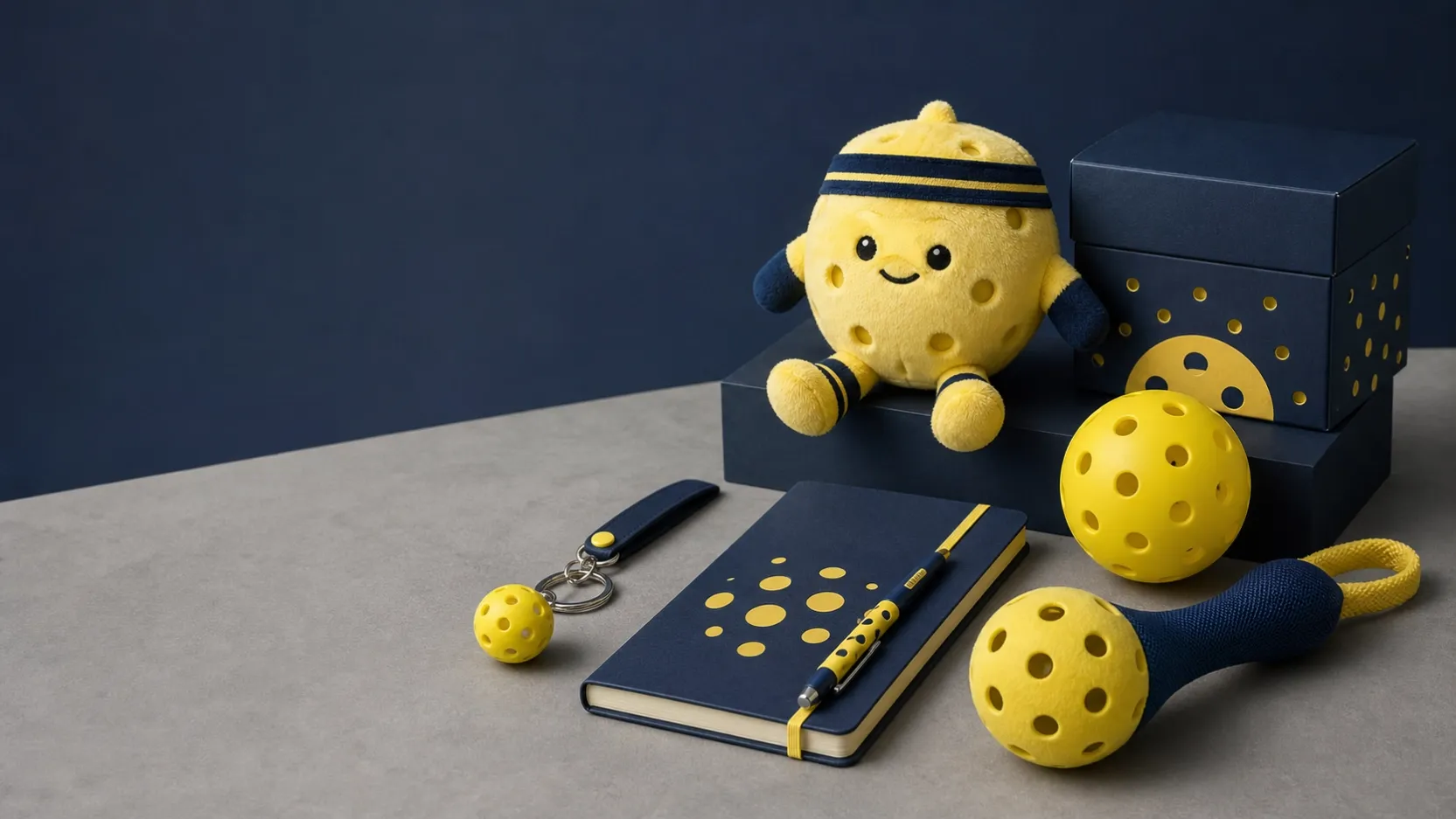
Pickleball is no longer only a sport. Its bright colors, perforated surface and friendly round shape are becoming recognizable design elements that can move far beyond the court.
For a manufacturer, that changes the question from “How many balls can we produce?” to “What kinds of products can we develop around pickleball culture?” Keychains, mascots, stationery, gift sets, promotional items and pet-inspired products can all start from the same visual language—but each market has different buyers, use cases and compliance requirements.
PICKLEBALL CULTURE IS BIGGER THAN ONE BALL
A standard pickleball is designed for play. A culture product helps people express an interest, remember an event, decorate a space or share a gift.
Possible product families include miniature pickleball keychains, bag charms, soft mascots, collectible figures, notebooks, pencil cases, desk accessories, tournament souvenirs, branded gift boxes, promotional items, display models and carefully developed pet-inspired products.
These items should not simply copy the construction of a competition ball. A successful derivative product begins with the intended user and retail channel. Material, dimensions, packaging, warning labels and testing should follow that decision.
CAN PICKLEBALL PRODUCTS ENTER SUPERMARKETS AND GENERAL RETAIL?
Potentially, yes. Supermarkets, sporting-goods chains, lifestyle stores and general retailers look for products connected to visible communities and seasonal trends. Pickleball is attractive because its shape is recognizable and easy to adapt into colorful displays and gift programs.
Retail buyers commonly consider:
• a clear target customer and price position
• consistent color and appearance
• protective, informative packaging
• barcode, carton and shelf-display requirements
• traceability and batch control
• dependable lead time
• test reports appropriate to the category and destination
• intellectual-property checks for logos, characters and artwork
A pickleball keychain might fit a sporting-goods area, checkout display, travel-gift section or seasonal promotion. The factory should ask where and how the product will be sold before choosing material or developing a mold.
STATIONERY, GIFTS AND CAMPUS RETAIL
Stationery is a natural extension because it combines function with self-expression. A pickleball pattern or three-dimensional motif can be used on notebooks, zipper pulls, pencil cases, desk organizers, bookmarks and gift sets.
Potential buyers include stationery brands, campus stores, sports clubs, culture centers, tournament organizers, promotional-gift companies and lifestyle retailers.
Age grading matters. A desk accessory intended for adults may be treated differently from a product designed or marketed as a children’s toy. Small detachable parts, cords, magnets, coatings and inks can affect the test plan. The importer, brand owner and factory should confirm the intended age group and sales market before samples are approved.
WHAT ABOUT THE PET MARKET?
Pickleball-inspired pet products are an interesting direction, but a real pickleball should not automatically be presented as a pet toy. Sporting balls are not designed around chewing, ingestion, animal size or the way a pet damages a product.
A pet-oriented concept may require a different structure, wall thickness, size, polymer, opening design and durability target. Development should consider the target animal, supervised use, bite and tear behavior, small-part risks, material suitability, odor, cleaning instructions, warnings and replacement guidance.
There is no single worldwide certificate that makes every pet toy acceptable everywhere. Requirements vary by product, claims, material, retailer and destination. Retailers may also impose restricted-substance, mechanical-performance, labeling or supplier-audit requirements.
The responsible route is to define the product, confirm the destination, identify applicable regulations and buyer standards, and arrange appropriate testing with a qualified laboratory. A decorative item or standard competition ball should never be claimed as pet-safe without a separate design and risk review.
PRODUCT CLASSIFICATION COMES BEFORE CERTIFICATION
“Which certificate do we need?” is often asked too early. Testing depends on what the product legally is, who will use it, how it is marketed and where it will be sold.
A pickleball-shaped item might be sporting equipment, a promotional gift, a keychain, stationery, a children’s toy, a pet product or a decorative collectible. These categories are not interchangeable. Packaging words, website descriptions, imagery and age claims may affect classification.
For products intended as children’s toys in the United States, U.S. Consumer Product Safety Commission guidance explains that applicable rules may include ASTM F963 requirements and Children’s Product Certificate obligations. In the European Union, CE marking and other obligations depend on the applicable legislation and category. General product safety, chemicals, labeling and traceability may also matter.
Requirements change and vary by project. A factory can prepare materials, controls and test samples, while the importer, retailer and qualified compliance professionals should confirm the final route.
USA PICKLEBALL APPROVAL IS FOR PERFORMANCE EQUIPMENT
USA Pickleball approval is relevant when a ball or paddle will be represented as approved for sanctioned play. It is not a general certificate for keychains, stationery, mascots or pet products.
For competition pickleballs, the submission process focuses on equipment specifications and performance. Synly intends to prepare development, consistency control and future submissions in an orderly way as qualified models become ready.
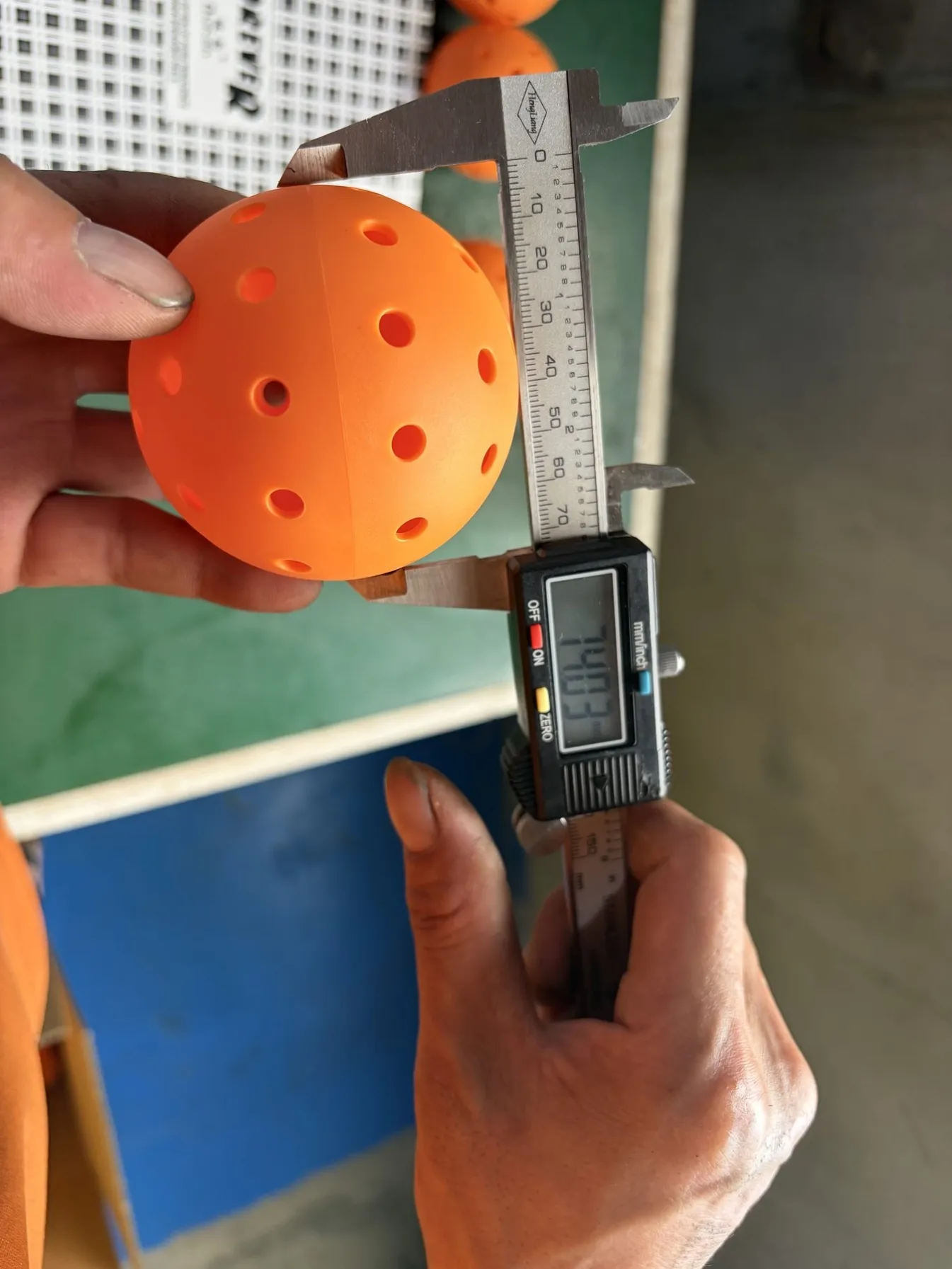
This work should include controlled materials, dimensional and weight consistency, bounce and hardness evaluation, roundness inspection, heat and cold testing, traceability and pre-submission review.
Approval should only be claimed after the relevant model appears in the official approved-equipment system. Until then, the wording must accurately reflect the actual development or submission stage.
HOW A FACTORY SHOULD DEVELOP CULTURE PRODUCTS
- Define the use case
Who will buy the item? Is it for a festival, supermarket, stationery brand, pet retailer, museum or club? What price, volume and delivery window are expected?
- Confirm classification and market
The intended age group, country, retail channel and marketing claims help determine the risk review and compliance path.
- Select materials and construction
Material decisions should consider appearance, flexibility, impact, weather, odor, printing, assembly and real use—not only cost.
- Build a prototype
3D printing and sample fabrication help verify scale, shape, connection points, packaging and interaction before mold investment.
- Plan testing early
Applicable regulations, retailer standards and likely failure points should be identified during development, not after mass production.
- Validate production
Pilot runs can confirm color, dimensions, assembly strength, packaging and batch consistency. Inspection criteria should be agreed before mass production.
- Use honest product information
Claims, age grading, warnings, instructions and approval status must match the real product and available evidence.
FROM ONE IDEA TO A PRODUCT FAMILY
A tournament organizer might begin with a commemorative ball, then add a miniature keychain, mascot, notebook and gift box. A culture center might create educational displays, souvenirs and visitor gifts. A stationery brand could build a seasonal collection. A pet retailer might co-develop a separate, purpose-designed fetch product after material and risk evaluation.
This is where flexible manufacturing matters. Injection molding experience, prototyping, mold-development support, packaging coordination and quality control connect creative concepts with stable production.
Synly’s customization is not limited to printing a logo on one ball. We want to collaborate on broader projects around pickleball—equipment, accessories, cultural merchandise, promotional products and carefully defined derivative products for new retail channels.
FREQUENTLY ASKED QUESTIONS
Can pickleball keychains be sold in supermarkets?
Potentially, yes. Suitability depends on the retailer, intended user, construction, packaging, labeling, price and destination-market requirements.
Can a standard pickleball be marketed as a pet toy?
It should not be assumed suitable. A pet product needs its own use-case definition, risk review, materials, structure, warnings and testing plan.
Do pickleball-themed stationery products need certification?
It depends on the product, age grading, materials, claims and country. Items marketed to children may face different requirements from adult stationery or gifts.
Does every pet toy have one universal certificate?
No. Requirements vary by jurisdiction, product and retailer. A qualified laboratory or compliance professional should confirm the applicable tests.
Do culture products need USA Pickleball approval?
No. Equipment approval applies to relevant sporting equipment intended for sanctioned play, not general merchandise such as keychains or notebooks.
Can Synly help develop a product from a concept?
Yes. Depending on the project, Synly can discuss material selection, 3D prototypes, mold-development support, injection molding, customization, packaging and quality-control planning.
Can Synly support testing?
We can cooperate with the buyer and qualified testing organizations by preparing samples, material information and production controls. The route must be confirmed for the actual category and market.
LET’S BUILD MORE AROUND PICKLEBALL
Do you have an idea for a pickleball mascot, keychain, stationery collection, event gift or carefully designed product for another retail market?
Share the concept, target users, sales country, expected quantity and compliance needs with Synly. Our manufacturing team can help evaluate feasibility and turn a practical idea into a real product.
Compliance note: This article provides general product-development information, not legal advice. Product classification and requirements should be confirmed for each destination market.
Official references:
USA Pickleball equipment submission FAQ:
https://equipment.usapickleball.org/equipment-submission-faq/
European Commission product requirements:
https://commission.europa.eu/business-economy-euro/doing-business-eu/eu-product-safety-and-labelling/eu-product-requirements_en