How to Clean Pickleballs: A Practical Guide for Clubs and Players
Clean and care for pickleballs properly: the hand-wash routine, storage habits, damage checks and when a ball should be retired.
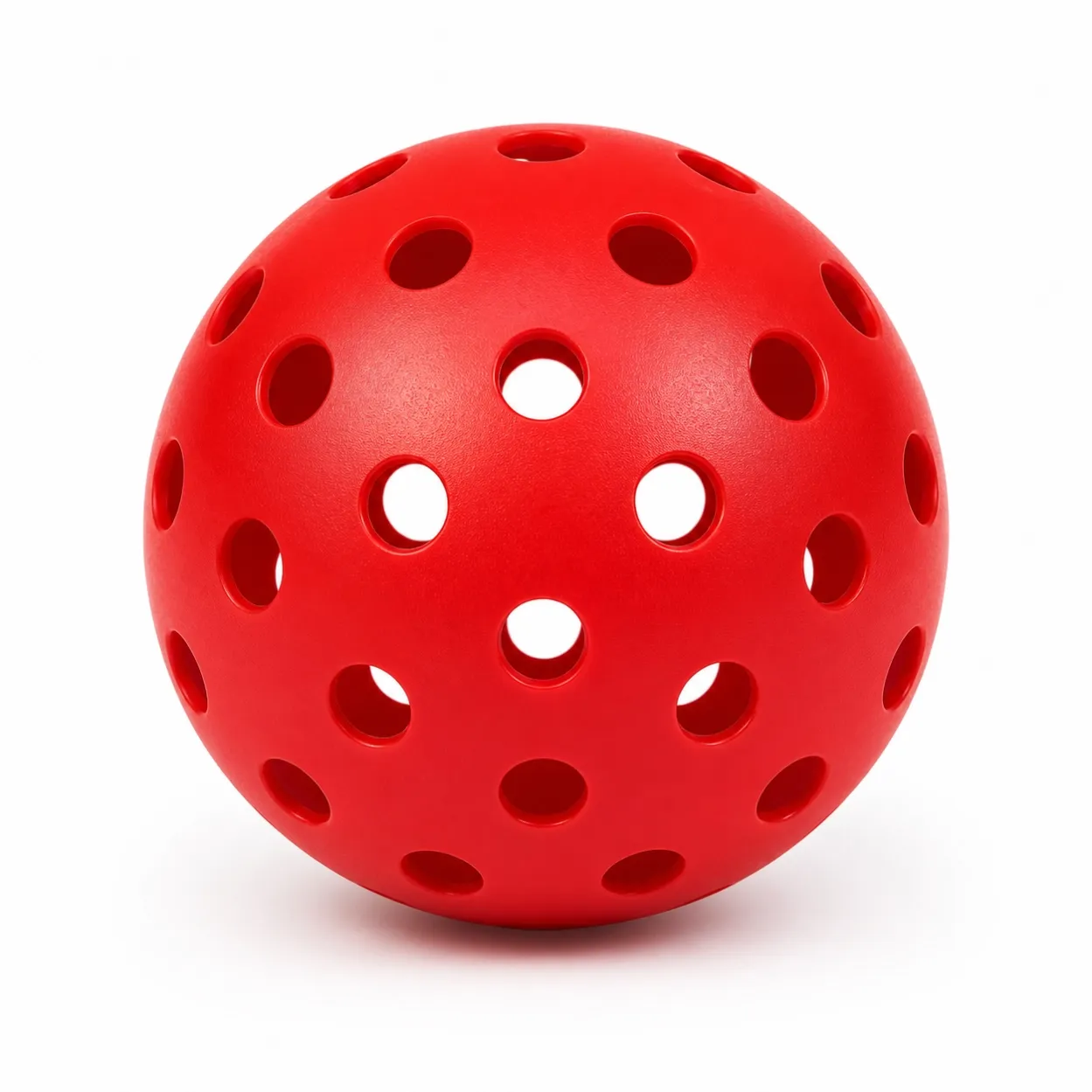
Pickleballs live hard lives: they bounce off gritty courts, get picked up from parking lots, sit in car trunks and get handled by hundreds of players. Cleaning them is a two-minute routine — but done wrong, cleaning can shorten a ball’s life rather than extend it. Here is the practical version for players and clubs.
This guide covers routine cleaning, storage habits, what actually damages balls, and the inspection checklist for retiring a ball from play.
Quick answer: how do you clean a pickleball?
Wipe off loose grit dry first, wash with mild soap and water, rinse, and dry the ball completely before it goes back into storage. Skip harsh solvents, abrasive cleaners and dishwashers — and keep powered versions (LED or glow models with electronics) out of any soak entirely.
What actually wears a pickleball
- Court surfaces: grit and dust embed in the ball surface during play;
- Repeated impacts: every paddle hit and wall contact works the material;
- Heat and storage: long periods in hot cars or direct sun are hard on plastics;
- Dirt carried into bags: gritty balls abrade each other in storage;
- Rough handling of special versions: LED and glow balls add electronics or coatings that need more careful handling.
The cleaning routine, step by step
- Dry-wipe first: remove sand and grit with a dry cloth before any water — wiping wet grit across the surface just grinds it in;
- Mild soap and water: a soft cloth or sponge with a little mild soap, hand-washing only;
- Rinse clean: remove soap residue — residue attracts dust and can feel slick;
- Dry completely: air-dry or towel-dry fully before storage; nobody wants a wet ball bag;
- Do not: machine-wash, dishwasher, soak, or use harsh solvents or abrasive cleaners — and never soak LED/glow models that contain electronics.
Club-scale cleaning and storage habits
- Run a quick bulk clean for the club ball supply once a month, or after any event on gritty or dusty courts;
- Keep clean balls separate from the “playoff” supply — a simple mesh bag or storage tube per bin does most of the work;
- Store balls dry, in moderate conditions — not in a hot equipment room and not in a car trunk between sessions;
- Rotate stock first-in, first-out so old balls get used before they get old;
- Label club bins with the ball model — mixed models confuse training and league play.
Inspection: when is a ball done?
Clean does not mean serviceable. Before a league night or event, check:
- Cracks: any visible crack retires the ball from competition use immediately (our guide on why pickleballs crack covers the common causes);
- Deformation or dents: a ball that no longer rolls or bounces true is out;
- Soft spots: squeeze the ball — uneven softness means uneven play;
- Surface change: a surface worn smooth or slick plays differently and signals age;
- Cosmetics: faded color alone is not structural damage, but visibly aged club balls belong in the practice bin, not the match bin.
Retire doubtful balls to the practice bin and keep the match supply clean, dry and checked before events. Plan the ball budget so replacing the match supply does not surprise anyone mid-season — our tournament inventory guide covers the quantity planning side.
Frequently Asked Questions
Can you wash pickleballs with soap?
Yes — mild soap and water by hand is fine for standard plastic balls. Rinse and dry completely afterward. Avoid harsh solvents, abrasive cleaners and machines.
Can pickleballs go in the dishwasher?
No. Dishwasher heat and detergents are not recommended for plastic balls, and electronic LED/glow versions should never be washed in machines or soaked at all.
Do dirty balls play differently?
A surface carrying grit and grime feels different at contact and puts wear on itself and everything it touches. Cleaning and storage are how you keep the playing surface of the ball in the condition you approved.
How often should clubs clean their ball supply?
A quick clean monthly, or after events on dusty, gritty surfaces, keeps the supply in good condition. The inspection step matters more than the frequency — check before league nights and events.
How often should balls be replaced?
Replace on condition, not only on a calendar: cracks, soft spots, deformation and worn surfaces end a ball’s match use whenever they appear. High-volume club programs check before every match night.
Replace Your Club Ball Supply
When inspection day says “replace,” tell us the model, quantities and timing — 26-hole indoor, 40-hole outdoor, 48-hole or quiet practice balls — and SYNLY will confirm availability, pricing and lead time for club and wholesale orders.
Email: parry@synlypickleball.com
WhatsApp: +86 15067540770
Related: 40-hole outdoor balls · 26-hole indoor balls · Why pickleballs crack · Storage and tube guide · Tournament ball inventory guide · Browse SYNLY products